Most kitchens in Accra rely on a gas cylinder in the corner. It is convenient and cleaner than charcoal. But gas explosions at homes and filling stations have caused deaths and injuries in Ghana, and simple safety habits can prevent many accidents.
What LPG is
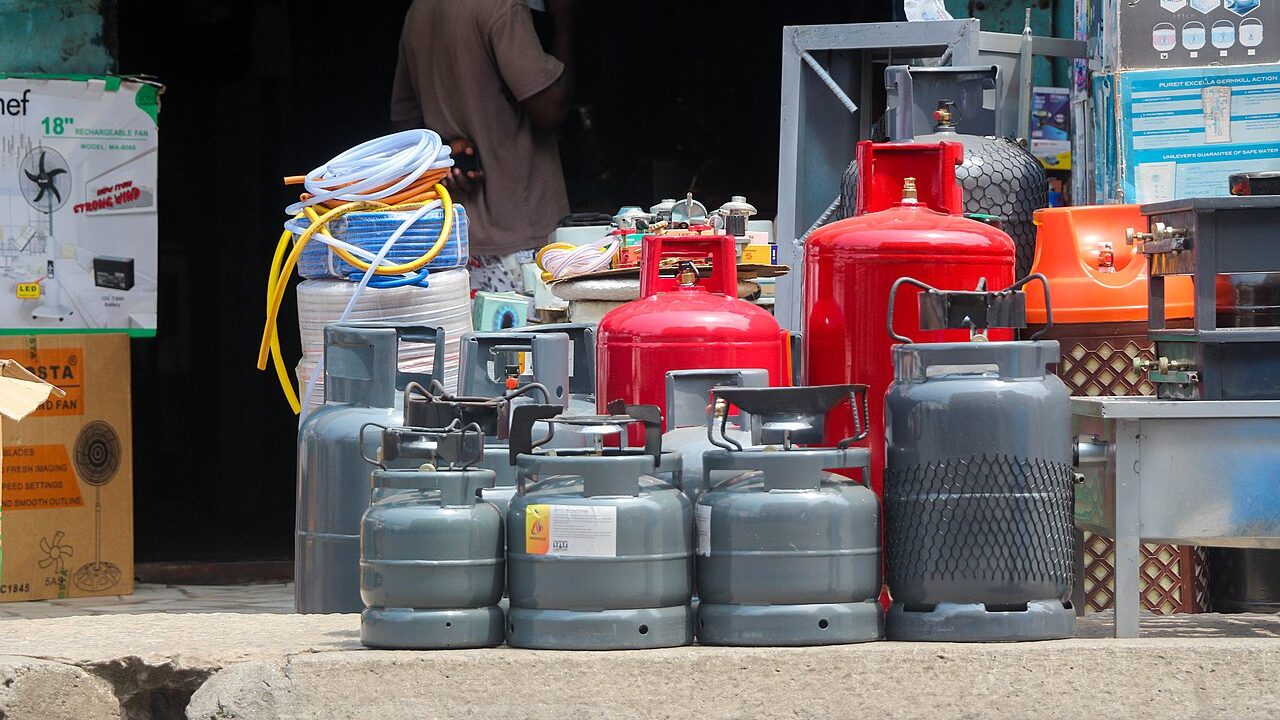
Liquefied petroleum gas is stored under pressure in cylinders. When released, it becomes a gas that is heavier than air, so leaks collect near the floor rather than rising.
Buying gas
Buy from licensed filling points or distributors. Avoid cylinders that are rusty, dented or have damaged valves. In recent years, Ghana has worked on moving to a cylinder recirculation model to improve safety.
Where to keep the cylinder
Keep cylinders upright, in a well-ventilated place, away from heat and direct sunlight. Many safety experts recommend placing the cylinder outside the kitchen, with a pipe to the cooker.
Regulators and hoses
Use a good-quality regulator and a proper gas hose. Check hoses regularly for cracks and replace them when worn. Secure connections with clips.
Detecting leaks
LPG has a strong smell added to help detect leaks. If you smell gas, act immediately. You can check connections by applying soapy water; bubbles show a leak. Never use a flame to test.
If you smell gas
Turn off the cylinder valve, open doors and windows, do not switch electrical appliances on or off and do not light matches. Leave the area and call the fire service if the smell persists.
Cooking safely
Light the match before turning on the burner. Never leave cooking unattended. Keep children away from the stove and cylinder.
After cooking
Turn off the burner and the cylinder valve, especially at night and when leaving home.
Fire extinguishers
Keep a small fire extinguisher or fire blanket in or near the kitchen, and learn how to use it.
Transporting cylinders
Carry cylinders upright and secure them in vehicles. Do not transport them in crowded trotros or leave them in hot cars.
Filling stations
Be cautious near filling stations. Follow staff instructions and avoid smoking or using phones while cylinders are being filled.
Habits save lives
Gas safety is mostly about habits: checking the hose, closing the valve, keeping air flowing. Practised daily, those small actions make the kitchen one of the safest places in the house.