When the lights go off in Accra, some houses stay bright. More and more homes and small businesses have installed inverters, batteries and solar panels, turning power cuts from a crisis into a minor inconvenience.
Why people invest
Ghana has experienced periods of frequent power outages, known as dumsor. Many households decided not to depend entirely on the grid, especially those who work from home or run businesses.
Inverters
An inverter converts stored battery power into the electricity your appliances use. When grid power fails, the inverter switches automatically to the batteries.
Batteries
Batteries store energy. Common types include lead-acid and lithium batteries. Lithium options usually cost more but last longer and need less maintenance.
Solar panels
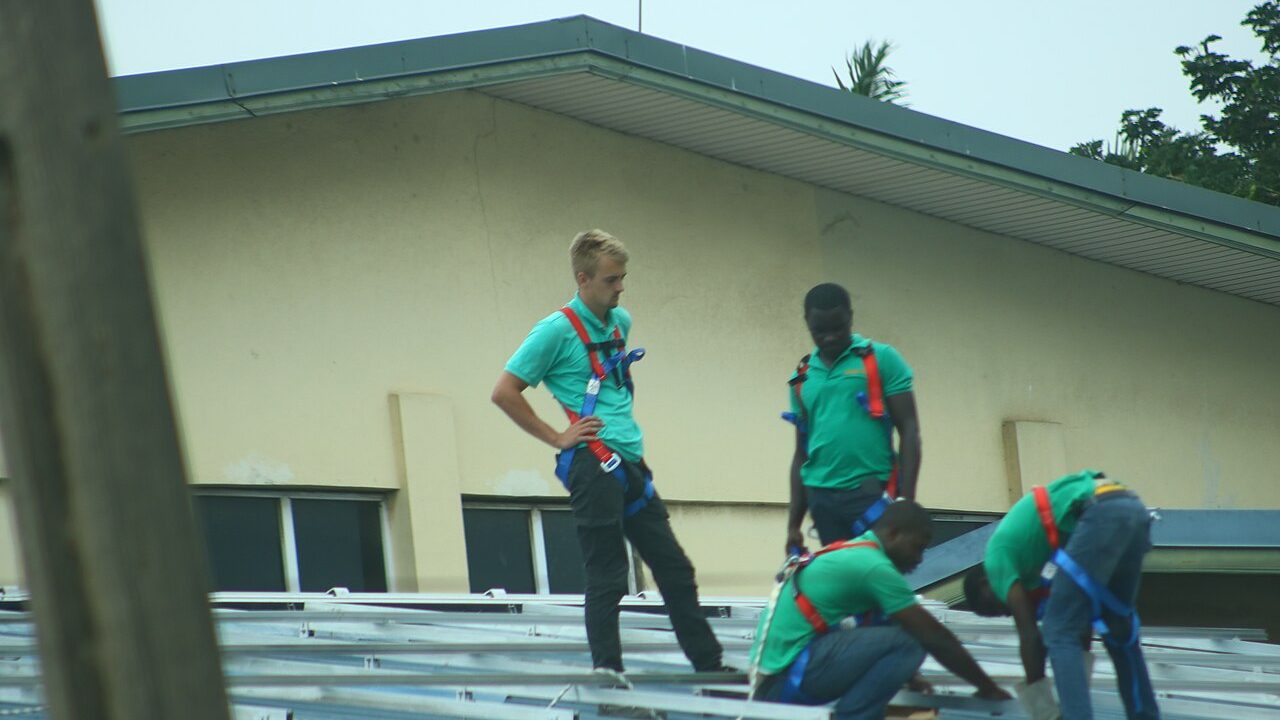
Solar panels charge the batteries using sunlight, reducing reliance on the grid. Ghana’s strong sunshine makes solar attractive, though output drops on cloudy days and in harmattan haze.
What do you need to power?
List the essentials: lights, fans, fridge, phones, laptop, television, perhaps a water pump. Air conditioners and electric cookers use a lot of power and need much larger systems.
Sizing the system
A qualified installer will calculate your load and the hours of backup you need. Buying too small a system leads to disappointment; too large a system wastes money.
Choosing an installer
Look for experienced installers with references. Ask about warranties on panels, inverters and batteries, and about after-sales service.
Costs
The upfront cost can be significant, but some households save on fuel for generators and on electricity bills. Some suppliers offer instalment plans.
Safety
Poor installation can cause fires. Ensure proper wiring, ventilation for batteries and protection devices such as breakers.
Maintenance
Keep panels clean from dust, check battery connections and follow the manufacturer’s guidance. Harmattan dust can reduce panel output if not cleaned.
Generators
Generators remain common but are noisy and require fuel. Many households combine a small generator with an inverter system.
Start small
Many families begin with a small system for lights, fans and phone charging, then expand later as budgets allow. A modular approach spreads the cost and lets you learn how much power you really use.
Businesses
Shops, salons, pharmacies and small offices often benefit most, since outages can stop work entirely. For them, a reliable backup system can pay for itself through lost sales avoided.
Power in your hands
An inverter or solar system will not fix the national grid. But for many families, it restores something valuable: the ability to plan an evening without wondering whether the lights will stay on.