

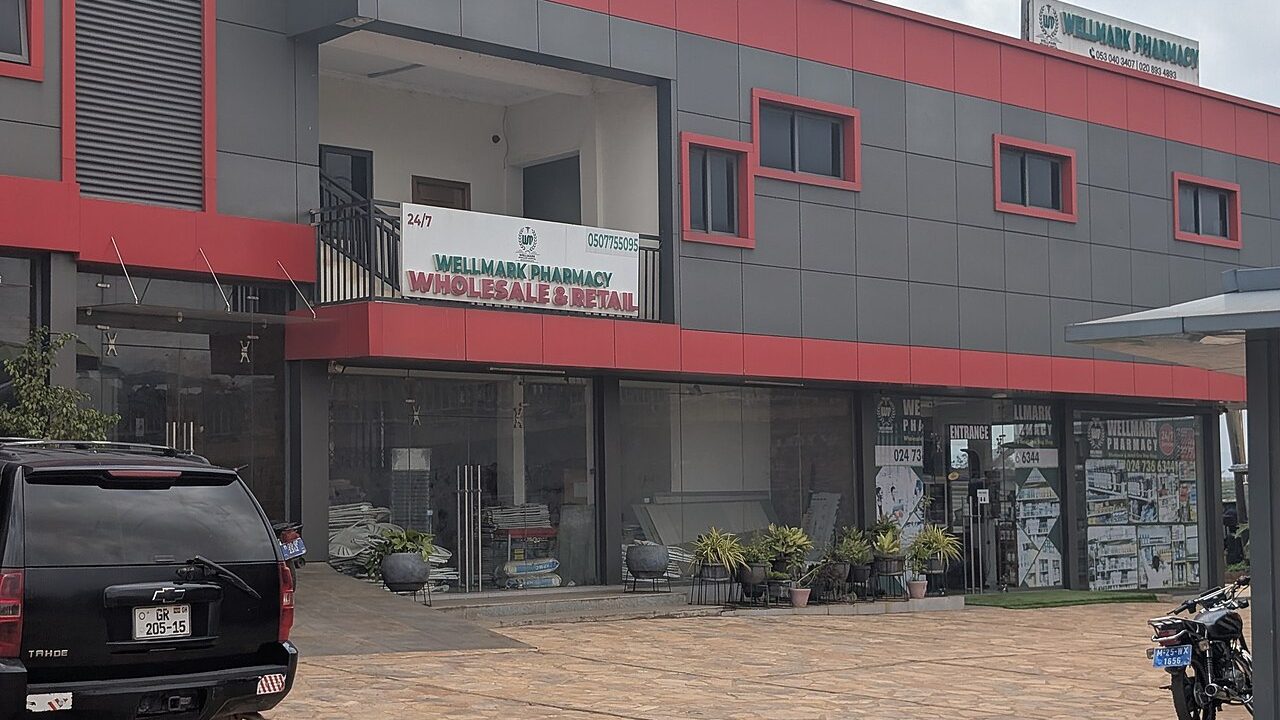

When someone in Accra feels unwell, the first stop is often not a hospital but a nearby medicine shop. It is quick and convenient. But not every shop is the same, and knowing the difference can protect your health.
Pharmacies and regulation
A pharmacy is run under the supervision of a registered pharmacist and can dispense prescription medicines. Pharmacists can advise on doses, side effects and interactions. Licensed over-the-counter medicine sellers, often called chemical shops or chemical sellers, may sell a limited range of medicines that do not require a prescription, such as some pain relievers and basic remedies.
The Pharmacy Council regulates pharmacies and medicine sellers, and the Food and Drugs Authority oversees the safety and registration of medicines. Licensed shops usually display their certificates.
Prescriptions and fakes
Many medicines, including antibiotics and some drugs for chronic conditions, should only be taken with a prescription. They can be dangerous if used incorrectly. Buying antibiotics without a prescription and not completing the course contributes to antibiotic resistance, which makes infections harder to treat for everyone. See a health professional before taking antibiotics. Check packaging for spelling errors, damaged seals and expiry dates. Buy from licensed outlets rather than street hawkers or unverified online sellers.
Storage, malaria and NHIS
Heat can damage medicines. Store them in a cool, dry place away from sunlight, and keep them out of children’s reach. Many people self-treat suspected malaria. It is better to get tested first, as fever can have other causes, and to use recommended treatments. Ask how to take the medicine, for how long, whether to take it with food and what side effects to watch for. A good pharmacist is happy to explain.
Some pharmacies accept the National Health Insurance card for covered medicines. Check which outlets near you participate.
When to see a doctor
Seek medical care for high fever, severe pain, breathing difficulties, symptoms in young children or pregnant women, and any illness that does not improve. Give children medicines made for their age and weight, using the measuring device supplied. Never guess doses from adult tablets, and ask the pharmacist if you are unsure. Medicine shops play a vital role in Accra’s health care, especially in busy neighbourhoods. Used wisely, with the right questions, they help people get well faster and safely.