In Ghana, funerals are among the most important events in family life. They bring relatives home from abroad, fill compounds with mourners and can cost more than weddings. For grieving families, the planning can feel overwhelming. A clear plan helps.
The first steps
When a death occurs, contact a doctor or hospital to confirm it and obtain the necessary documentation. If the death happens at home, the police may need to be informed in some circumstances.
Mortuary
The body is usually kept at a mortuary until the funeral. Compare mortuary fees and conditions, as bodies may stay for weeks while the family prepares.
Registering the death
Register the death with the Births and Deaths Registry. The death certificate is needed for burial and for later matters such as inheritance and insurance.
Family meetings
Families traditionally meet to announce the death formally and to agree on arrangements, roles and contributions. In many communities, the head of family leads these discussions.
Choosing a date
Funerals are often held on Saturdays, sometimes weeks after the death, to allow relatives to travel and preparations to be made. Some families now choose shorter timelines to reduce mortuary costs.
Venues
Funerals may be held at family houses, public spaces, churches or hired grounds. Canopies, chairs and sound systems are usually rented.
The programme
Typical elements include laying in state, a church or religious service, burial and a thanksgiving service the next day. Printed brochures with the life story and photos are common.
Burial or cremation
Most Ghanaian funerals involve burial in a cemetery or family land. Cremation is available in Accra and is chosen by some families. Cemetery fees and plots vary.
Controlling costs
Funeral spending can put families in debt. Agree on a budget early, limit unnecessary expenses such as elaborate brochures and large catering, and be open about contributions.
Donations
Mourners usually make donations. Appoint trusted people to record and manage them transparently.
Support for the bereaved
Amid the planning, remember the grieving spouse, children and parents. Encourage rest and emotional support.
Funeral cloth
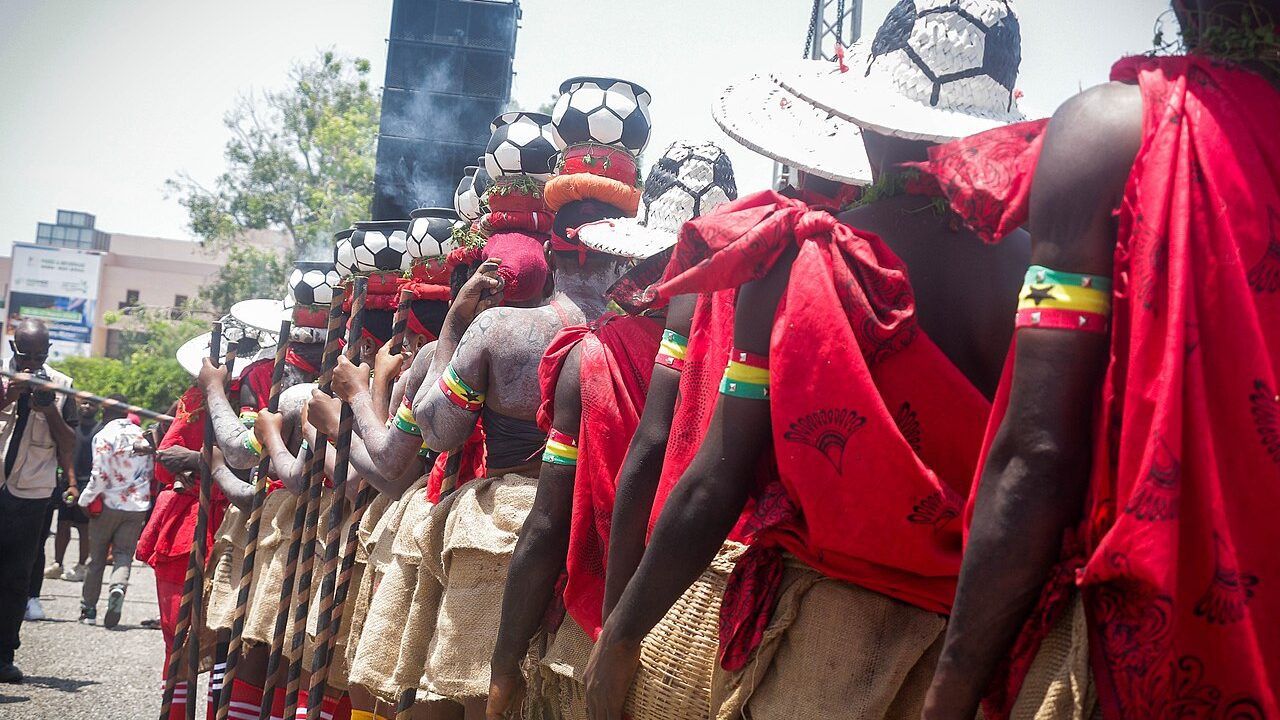
Families often choose a funeral cloth, commonly in black, red or white depending on the age of the deceased and local custom. Relatives may buy matching cloth to wear together at the ceremony.
Honouring a life
A Ghanaian funeral is a celebration of a life and a statement of family unity. Planned carefully, it can honour the person who died without burdening the people they left behind.