For decades, drivers on Ghana’s main roads stopped at toll booths to pay small fees. Then, on 17 November 2021, Finance Minister Ken Ofori-Atta presented the 2022 budget to Parliament and announced that road and bridge tolls would be abolished. Within hours, toll collection stopped at booths across the country. Drivers drove through without paying, and the familiar toll plazas fell silent. The decision was presented as relief for road users, but it raised questions about road funding and toll workers’ jobs.
The announcement and the booths
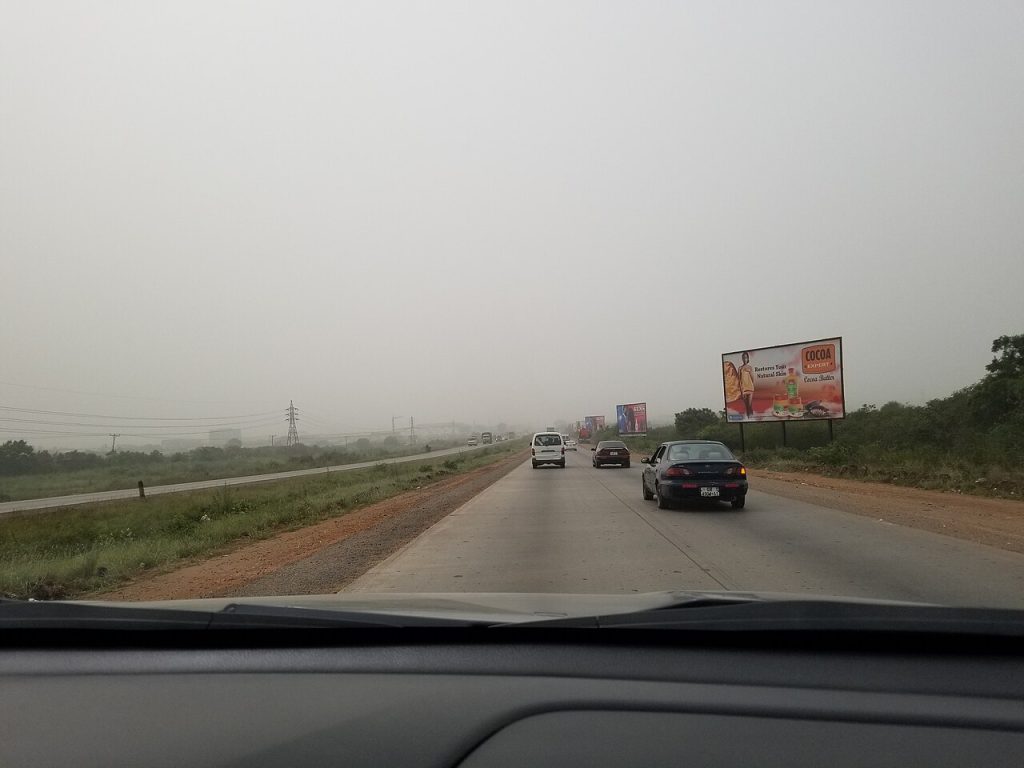
In his budget statement, the finance minister said the government would abolish tolls on public roads and bridges. He linked the change to the introduction of a new electronic transaction levy, which the government expected to raise revenue. Toll collection stopped almost immediately after the announcement, even before the budget was approved. Drivers on routes such as the Accra-Tema Motorway and the Kasoa road passed through freely.
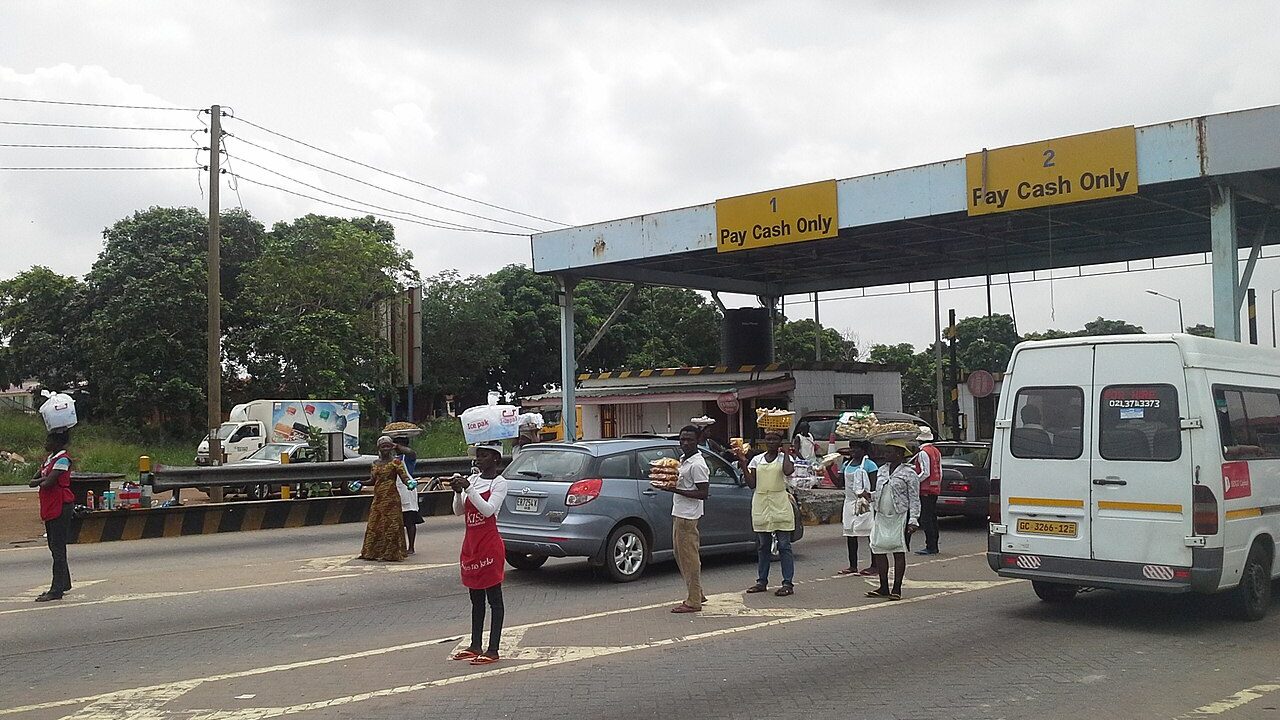
The booths themselves remained, and in some places their structures continued to slow traffic. Calls followed to remove them or put them to other use.
The E-levy, road funding and toll workers
The government proposed the electronic transaction levy, or E-levy, on mobile money and electronic transfers. The levy proved controversial and was approved in 2022 after a long debate. Tolls had contributed to the Road Fund, which supports road maintenance. Critics asked how the lost income would be replaced. Toll collectors faced uncertainty about their jobs. The government said they would be redeployed, but some workers complained about delays.
Many drivers welcomed the change, while others saw it as a political move tied to the E-levy.
A return of tolls and lessons
In later years, there were discussions about reintroducing tolls in some form, including electronic tolling on certain roads. The episode showed how quickly policy announcements can change daily life, even before laws are passed. Before the abolition, toll points such as the one on the Accra-Tema Motorway were known for queues at rush hour. Some drivers saw the end of tolls as a chance to remove these bottlenecks, though the booths themselves remained for a long time.
The toll booths outlasted the tolls themselves. For months, drivers slowed down at empty booths out of habit, with nobody inside to take their money.