Ghana’s high cost of servicing government debt and weak institutional arrangements continue to limit its credit rating, despite ongoing reforms, according to ratings agency S&P Global.
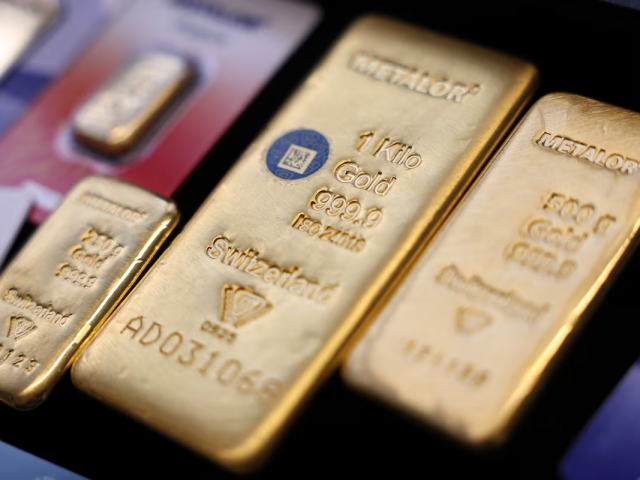
The US-based firm said Ghana’s economy depends heavily on agriculture, which makes up 20% of the country’s GDP, and gold exports, which accounted for over 66% of goods exports in 2025. This reliance exposes Ghana to risks from unpredictable weather and external shocks. “If gold prices fall faster than expected, the value of Ghana’s exports would also fall,” S&P warned. It also pointed to risks from weather disruptions such as droughts and flooding linked to El Niño, and higher fertilizer costs if the Middle East conflict extends.
S&P said that while the government’s fiscal reforms are underway, they remain untested through an election cycle. “Therefore, we see potential for fiscal slippages to occur through 2029,” the agency added. It noted that measures to strengthen public finances are in place but have yet to face the pressures of economic and electoral cycles.
The agency described Ghana’s institutional arrangements as weak but improving. It said the government is advancing its reform agenda, especially efforts to improve public finance management, but the effectiveness of these new measures remains to be seen. The current administration, led by the National Democratic Congress (NDC) under President John Mahama, holds a 46-seat majority in the 276-member parliament.
S&P’s analysis reflects ongoing challenges in balancing debt costs with economic growth and fiscal discipline. Ghana’s heavy debt servicing costs constrain its credit ratings, limiting the country’s ability to borrow cheaply on international markets. The government’s commitment to reforms seeks to address these issues but faces hurdles from external shocks and internal institutional weaknesses.
The risks from fluctuations in gold prices and the agriculture sector’s vulnerability to climate events add uncertainty to Ghana’s economic outlook. Inflationary pressures could re-emerge if these shocks disrupt recent gains. This adds to the difficulty of sustaining fiscal discipline over the medium term, especially with elections approaching.
Ghana’s situation illustrates the challenge many resource-dependent economies face. The government’s reform efforts have to prove they can hold through political and economic cycles while managing exposure to global commodity markets and climate risks.
S&P’s warning signals that Ghana’s credit rating gains will depend on the government’s ability to maintain fiscal control and strengthen institutions in the face of these pressures. The government’s parliamentary majority provides some political space for reform, but the true test lies ahead as economic and electoral cycles unfold.
According to Joy Online.