
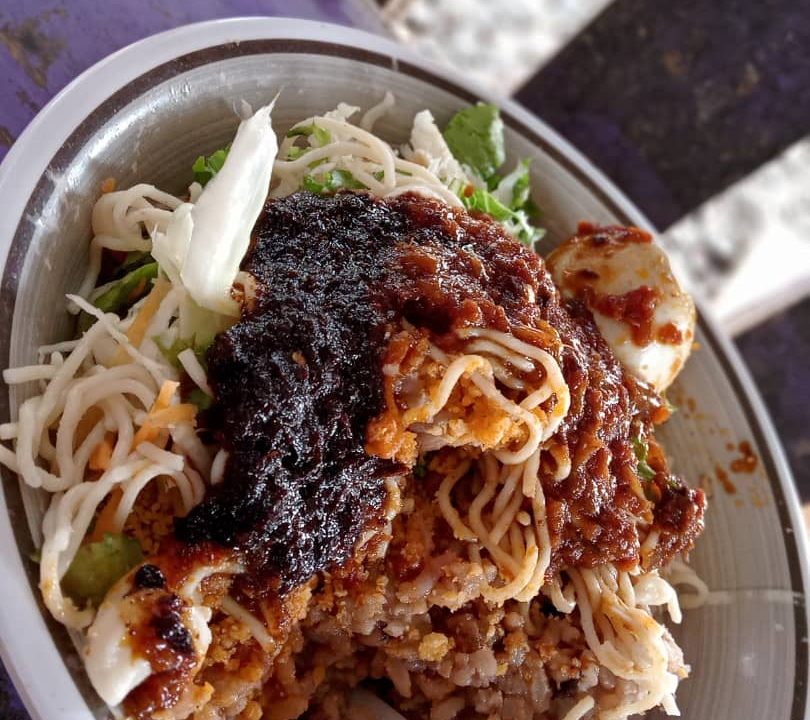
By 6am, the queue at the waakye seller’s table is already long. Office workers, students and taxi drivers wait as she scoops rice and beans from a large pot and adds spaghetti, gari, a boiled egg, fried fish and a spoonful of shito. Waakye is one of Ghana’s most loved dishes, and in Accra it is the breakfast of choice for many.
What waakye is and its toppings
Waakye is rice and beans, usually black-eyed beans or cowpeas, cooked together with dried leaves from the sorghum plant. The leaves give the dish its distinctive reddish-brown colour. Waakye is widely associated with northern Ghana and Hausa-speaking communities. The name is often traced to the Hausa phrase for beans. It spread across the country and became a national favourite.
Waakye is rarely eaten plain. Common additions include shito (a spicy black pepper sauce), gari, spaghetti, called talia, boiled eggs, fried fish, wele (cow skin), meat, avocado and fried plantain.
Leaves, famous spots and shito
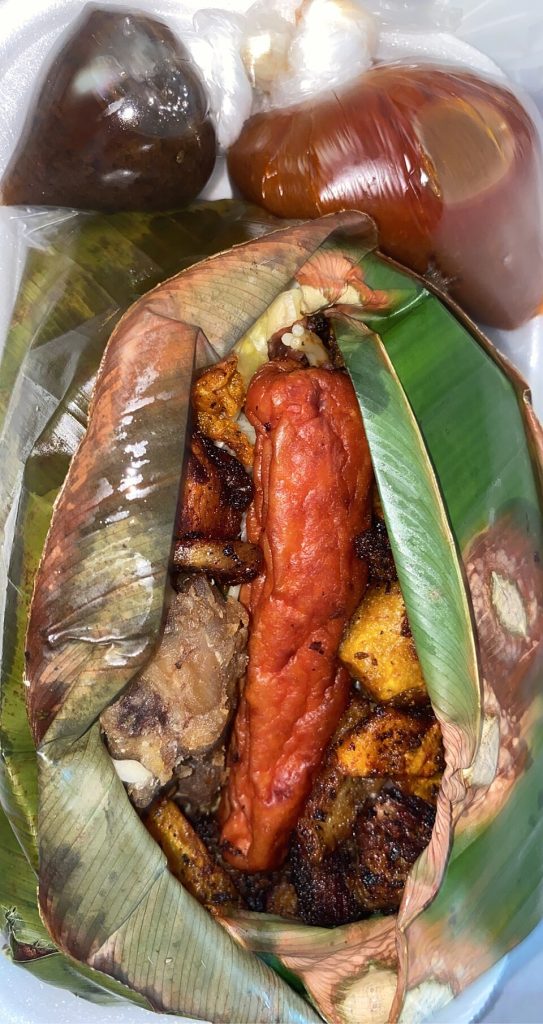
Traditional sellers serve waakye wrapped in large leaves, which many say improve the taste. Plastic bags and containers are now common too. Many Accra neighbourhoods have a waakye seller with a loyal following. Some popular spots attract long queues and are known by the seller’s name. A basic portion is affordable, but prices rise with each extra topping. Many people customise their order to their budget.
Shito is central to the dish. Made from oil, ground dried fish or shrimp, pepper and spices, it adds heat and depth.
Health, home cooking and hygiene
Waakye combines carbohydrates and protein from the beans, but toppings such as fried foods and heavy oil add calories. Nutritionists suggest balancing it with vegetables. Many families cook waakye at home, especially on weekends. Dried sorghum leaves are sold in markets. Ghanaian restaurants abroad serve waakye, and it is often one of the dishes diaspora visitors seek first when they come home.
Choose sellers who keep food covered and serve from clean containers.
Identity and events
Waakye is one of the dishes Ghanaians argue about most, from the best toppings to the right amount of shito. For many Accra residents, the local waakye seller is part of the neighbourhood, as familiar as the corner shop. Waakye is also served at parties and gatherings, sometimes cooked in large pots by caterers. Breakfast debates in Accra rarely end in agreement about which waakye seller is best. Everyone agrees that the right one is worth the queue.