When residents of Kasoa, Weija or Dansoman complain that water has not flowed for days, the cause is often many kilometres upstream, on the Densu River.
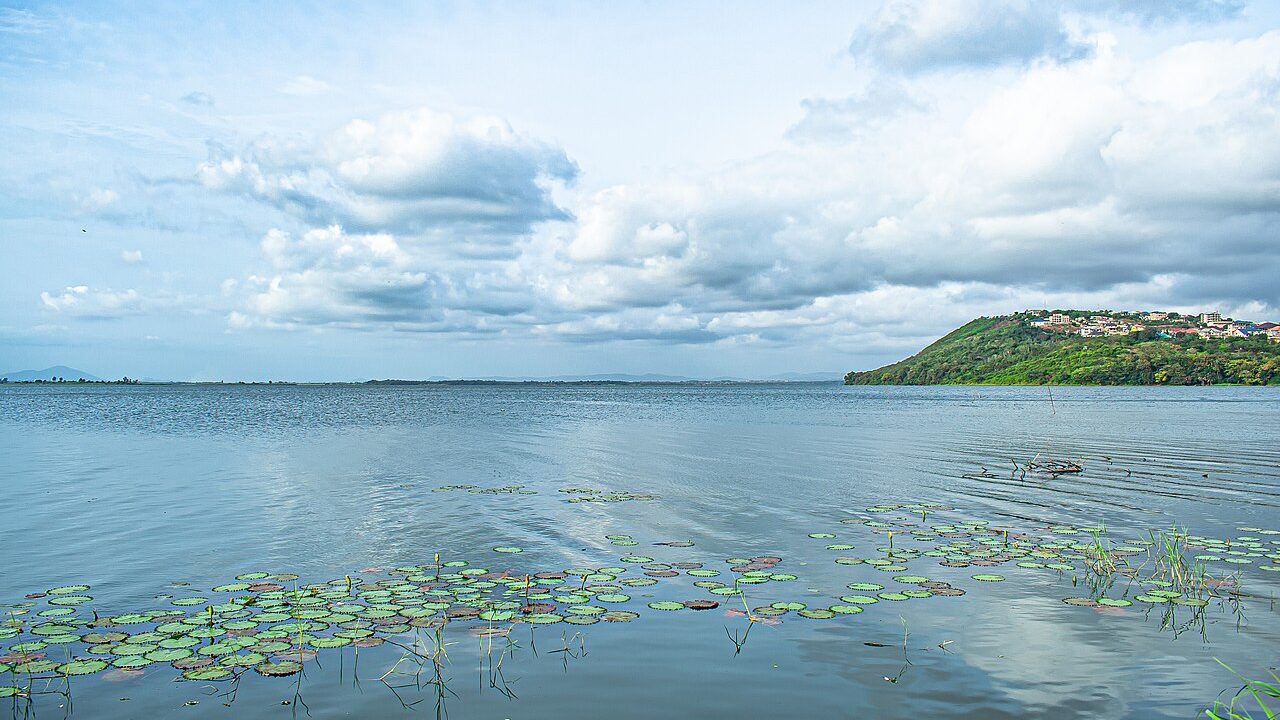
The Weija Dam, west of Accra, holds back the Densu to form a reservoir. Water from that reservoir is treated at the Weija treatment plant and piped into homes across the western half of the city and beyond.
Two sources for one city
Greater Accra relies mainly on two water systems. The Weija system, fed by the Densu, serves the west. The Kpong system, fed by the Volta River, serves the east, including Tema and parts of central Accra.
Because the two systems cover different areas, a problem at one can leave half the city dry while the other half is supplied normally.
The river under pressure
The Densu flows from the Atewa area in the Eastern Region through farmland and towns before it reaches the reservoir. Along the way it picks up waste, farm chemicals and, in some areas, silt and pollution from illegal mining.
The more polluted the water, the harder and more expensive it is to treat. Ghana Water Limited has at times reduced production at Weija because of the state of the raw water.
Too little water, too much water
In the dry season, the reservoir level can drop, reducing supply. In the rainy season, the opposite problem appears. When the reservoir fills, the dam’s operators must release water through the spillways to protect the structure.
Communities built close to the river below the dam have been flooded during heavy spillage, with homes submerged and residents forced to leave. Authorities issue warnings before spilling, but many people have built in areas that are at risk.
Growing demand
Accra’s population keeps rising, and new neighbourhoods on the western and northern edges of the city are growing fast. Many of them are not connected to the pipe network at all and depend on water tankers, boreholes and sachet water.
What residents do
Households store water in polytanks and barrels, buy from tankers when the taps are dry, and follow announcements from Ghana Water about rationing schedules.
A polytank on a metal stand has become one of the most common sights on the roofs and compounds of western Accra, a quiet sign that most people have stopped trusting the tap to run every day.