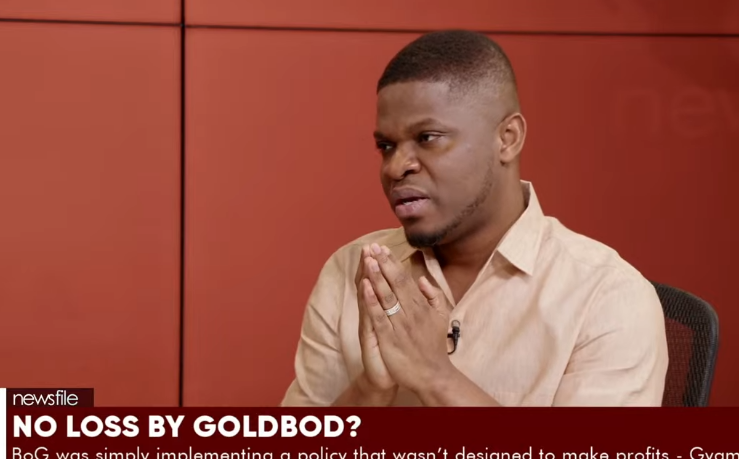
Sammy Gyamfi, the Chief Executive Officer of the Ghana Gold Board (GoldBod), has revealed where the institution makes its money. According to him, GoldBod's revenue comes from legally approved fees and charges for services rendered to players in the gold industry.
GoldBod's Revenue Streams
GoldBod's sources of funds are clearly provided for under the law, Mr Gyamfi explained. These include allocations approved by Parliament, funds raised from financial markets, borrowing, as well as fees and charges generated from its operations. He said GoldBod's revenue comes from a range of statutory services, including licensing, assaying, field inspections, and other regulatory activities within the gold sector.
One of the key revenue streams for GoldBod is the licensing process for gold-buying companies. When companies apply for an aggregator licence, they pay an application fee of $100,000. Once approved, they pay a licence fee of the cedi equivalent of $500,000. Mr Gyamfi explained that large-scale mining companies are also required to submit their gold to GoldBod for assaying before it can be exported.
Assaying Fees and Field Inspections
Large-scale mining companies pay an assay fee of $90 per every sample GoldBod assays. They also pay $840 per visit when GoldBod officers conduct field inspections to monitor the smelting process and ensure that gold quantities and purity are not under-declared. Artisanal and small-scale mining gold exporters also pay an assaying fee approved by Parliament, regardless of whether they are the Bank of Ghana, the Ministry of Finance, a self-financing aggregator, or a private exporter.
Non-Tax Revenue
Mr Gyamfi said all these charges contribute to GoldBod's revenue. In 2025, GoldBod's non-tax revenue increased significantly from GH¢307.7 million in 2024 to GH¢970.7 million. He attributed this increase to the various fees and charges generated from GoldBod's operations. According to him, "All these fees put together is what gave us our non-tax revenue of GH¢970.7 million."
Source: Joy Online