

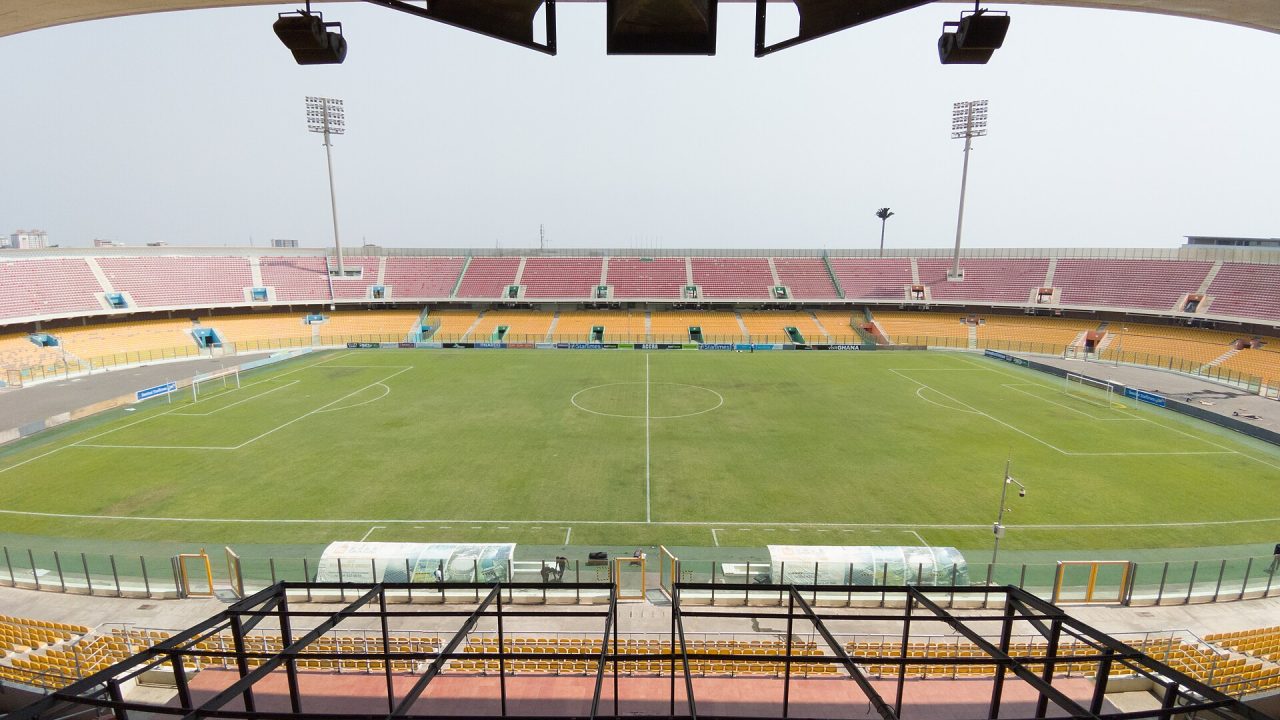
Hearts of Oak were losing to Asante Kotoko with the clock running down on 9 May 2001. Then Hearts scored twice.
The 2-1 win should have been one more chapter in the oldest rivalry in Ghanaian football. Instead, within minutes of the final whistle, 126 people were dead (some counts put it at 127) at the Accra Sports Stadium, then known as the Ohene Djan Stadium. It is still the worst stadium disaster in African history and the second deadliest in the history of the game, behind the 1964 disaster at the Estadio Nacional in Lima.
What happened in the stands
After the late goals, some Kotoko supporters, angry at the turn of the match and at the officiating, began ripping out plastic seats and throwing them onto the pitch along with bottles. Police responded by firing tear gas into the crowd.
The gas did what gas does in an enclosed space. People ran from the fumes towards the exits, and the exits were locked. Supporters were crushed against gates and on stairways. Many of the dead suffocated. Survivors described bodies lying in the tunnels and outside the gates while others were carried off by fans in the absence of enough ambulances.
The inquiry
A commission of inquiry was set up soon after. It found that the police had overreacted in firing tear gas into a packed stand, and it pointed to the locked gates and the lack of emergency preparation at the stadium. Six police officers were charged with manslaughter. All six were acquitted: the court heard that the victims died of asphyxiation in the crush, not from the gas itself, and no one was convicted.
That outcome is a large part of why the date still hurts. Families of the dead lost fathers, sons and brothers who had gone to watch a football match, and they never saw anyone held responsible.
How Ghana remembers it
A monument stands at the stadium, and every 9 May the Ghana Football Association, the two clubs and the families hold a remembrance there. Hearts and Kotoko fans, who spend the rest of the year needling each other, stand together for the ceremony. The GFA has marked the anniversary for more than two decades, and the 25th anniversary fell in May 2026.
Safety rules at Ghanaian stadiums changed after the disaster. Clubs and match organisers are now expected to plan crowd control and exits in advance. Yet crowd trouble, pitch invasions and attacks on referees still turn up in the Ghana Premier League often enough that the lessons of 2001 are repeated in almost every official statement after an incident.
The names on the list
Most of the 126 were young men, many in their teens and twenties. Several families lost more than one member. Ask a Hearts supporter of a certain age where he was on 9 May 2001 and he will usually know, and he will usually tell you he was lucky.
The fixture itself goes on. Hearts and Kotoko still meet in Accra, still fill the same stadium, and still walk past the same gates.

.jpg)