
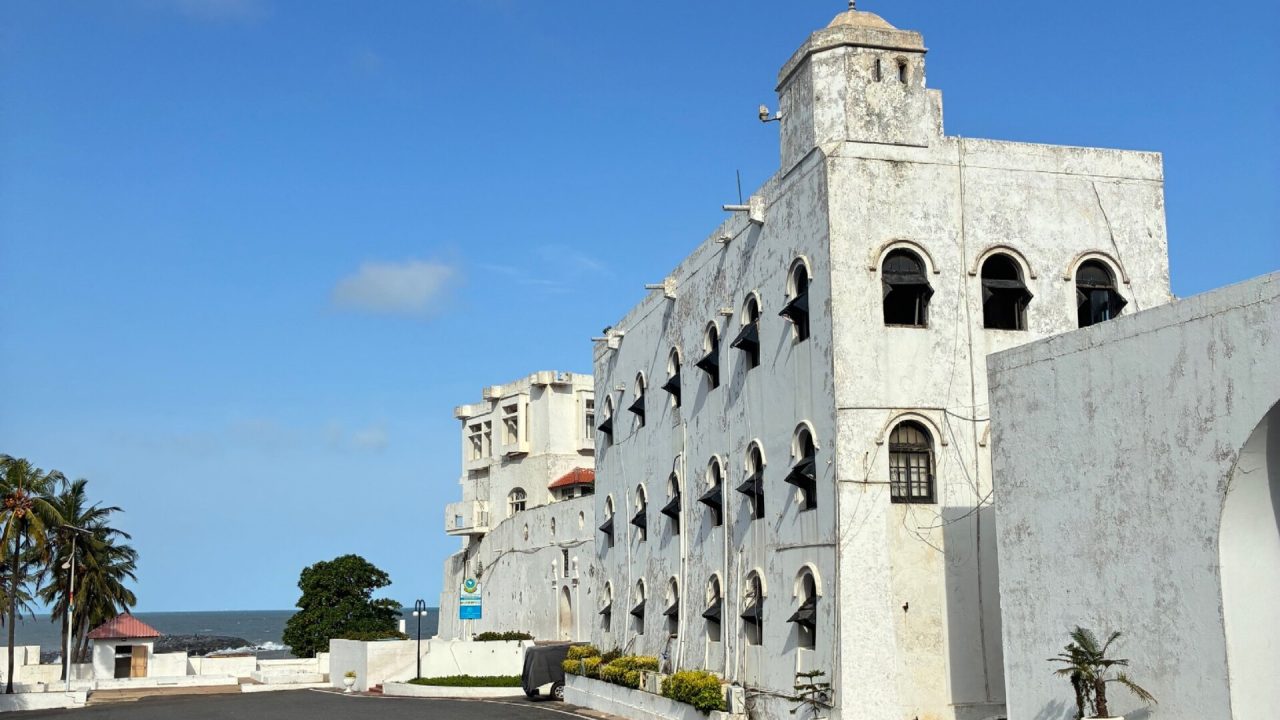
On 28 February 1948, a group of unarmed Ghanaian veterans of the Second World War marched towards Osu Castle in Accra to present a petition. They never reached it.
At the Christiansborg crossroads, a police contingent led by a British officer, Superintendent Colin Imray, blocked their path and ordered them to disperse. When they did not, and when his men did not obey his order to fire, Imray fired himself. Sergeant Cornelius Adjetey, Corporal Attipoe and Private Odartey Lamptey were killed.
Men who had fought for Britain
The marchers were ex-servicemen of the Gold Coast Regiment, who had fought for the British Empire in the Second World War, many of them in Burma. They had returned home to unemployment, rising prices and unfulfilled promises of pensions and benefits. Their march was a peaceful attempt to deliver a petition to the governor, Sir Gerald Creasy, setting out their grievances.
The riots
News of the shooting spread quickly through Accra. It came at the same time as a boycott of European and Syrian-owned shops over high prices, organised by Nii Kwabena Bonne III. Anger turned into riots. Shops were looted and burned in Accra, and disturbances spread to Kumasi and other towns over the following days. Dozens of people were killed across the colony.
The Big Six
The colonial government blamed the leaders of the United Gold Coast Convention, the main nationalist party. On 12 March 1948 the governor ordered the arrest of six of them: Ebenezer Ako-Adjei, Edward Akufo-Addo, J.B. Danquah, Kwame Nkrumah, Emmanuel Obetsebi-Lamptey and William Ofori Atta. They became known as the Big Six and were detained in remote parts of the north.
The detentions made them national heroes. The Big Six now appear on Ghana’s cedi notes.
The Watson Commission
The British government set up the Watson Commission to investigate. Its report criticised colonial rule and recommended constitutional reform, which led to the Coussey Committee and a new constitution giving Africans a larger role in government. The pace of change accelerated. Within three years, Nkrumah was leading government business, and on 6 March 1957 Ghana became independent.
How it is remembered
Every 28 February, Ghana holds a remembrance ceremony at the Christiansborg crossroads, where a memorial now stands, and at the tomb of the Unknown Soldier. Wreaths are laid, veterans attend in uniform and the three names are read out. A road in Accra and other memorials carry their names.
The day is widely taught in Ghanaian schools as the spark that turned decades of nationalist campaigning into a mass movement.
The petition
The veterans were asking for pensions and fair treatment. Most of what they wanted was modest. The shooting made their march a turning point in the history of a nation.
Three men fell at the crossroads. The castle they were walking towards became the seat of an independent government nine years later.


_in_Accra,_Ghana.jpg)