The nickname came first. Sodom and Gomorrah suggests a place of sin. For the people who live in Old Fadama, it is a place where they sleep, work, raise children and send money home.
Old Fadama sits on the banks of the Korle Lagoon in central Accra, close to Agbogbloshie and the markets of the city centre. It is one of the largest informal settlements in Ghana, with a population usually estimated in the tens of thousands. Many residents came from the northern regions of Ghana in search of work, and families have lived there for more than one generation.
How it grew
The settlement grew from the 1980s and 1990s as people moved to Accra and settled on vacant land near the lagoon and the markets. Conflicts in the north, including the 1994 Konkomba and Nanumba conflict, pushed more people south. Housing was built from wood and metal sheets, close together, on land that the state regarded as public and that residents regarded as theirs by occupation.
Kayayei and traders
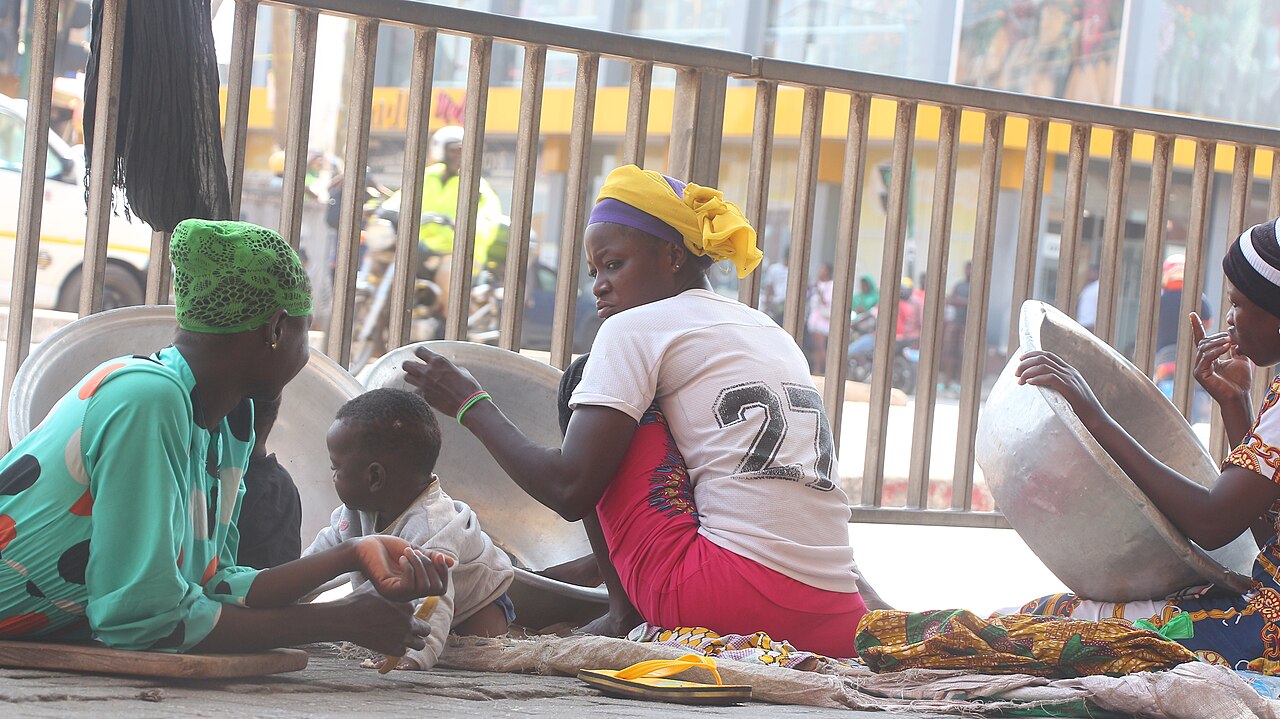
Many of Old Fadama’s young women work as kayayei, head porters who carry shoppers’ goods through the markets of Accra in large metal pans for small fees. They are central to the city’s commerce, yet among its most vulnerable workers. Men work as porters, traders, scrap collectors and labourers. The yam market near the settlement is one of the busiest in the capital.
Eviction threats
The settlement has lived under eviction threats for most of its existence. City authorities see it as an obstacle to cleaning the Korle Lagoon and controlling flooding, and parts of it have been demolished several times. Residents and civil society groups have argued that eviction without relocation simply moves people to other informal settlements.
Fires are a regular danger, spreading quickly through wooden structures and destroying homes and goods.
Life inside
Visitors expecting only poverty find a busy community with shops, mosques, churches, schools, barbers and music. Residents organise through community leaders and associations. Phone charging kiosks, video centres and food sellers line the alleys.
The name
Residents and activists have campaigned against the nickname, which they say stigmatises people who work hard in difficult conditions. Old Fadama is the name they use.
Accra’s markets depend on the people who live there. Much of the food on the city’s tables passes through their hands before it reaches a kitchen.