In 2022, Ghanaians who wanted to keep their phone numbers had to do something they had already done once: register their SIM cards. This time, every SIM had to be linked to a Ghana Card.
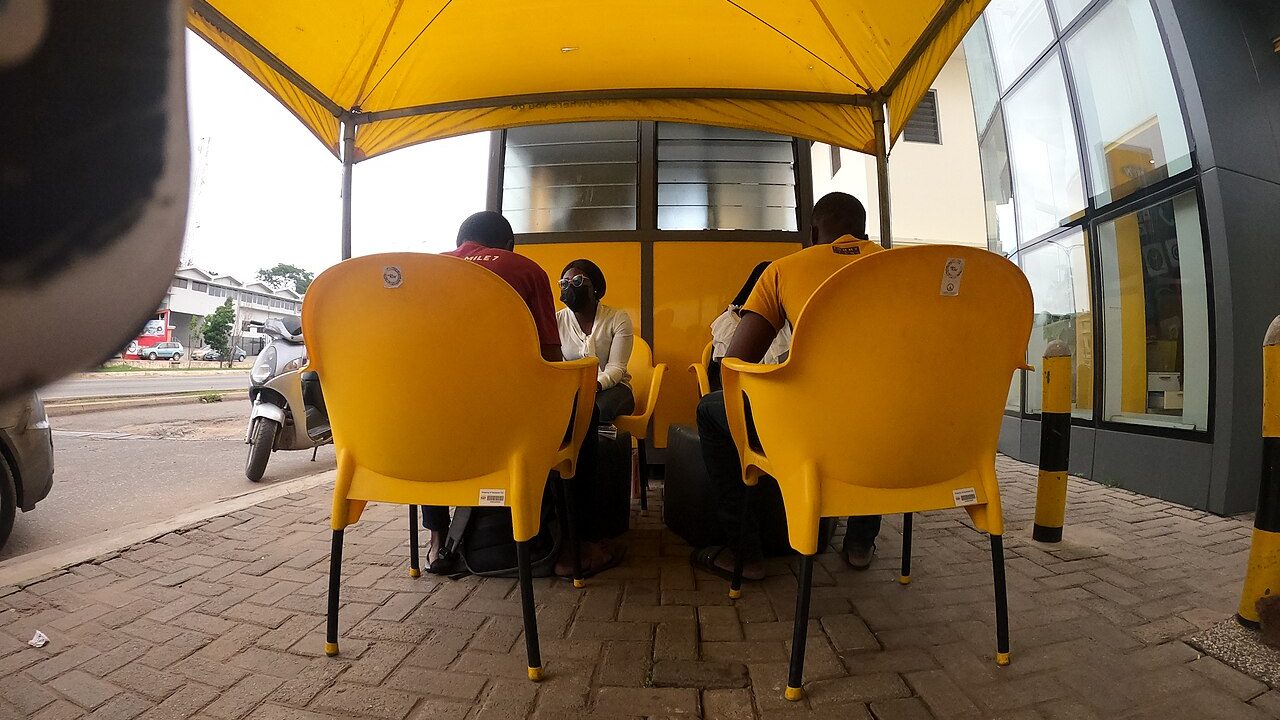
The SIM re-registration exercise began on 1 October 2021. It became one of the most talked-about government exercises of the year, with long queues at telecom offices and repeated deadline extensions.
Why re-register?
The government said that linking every SIM to a verified national identity would help fight mobile money fraud, kidnapping, cybercrime and other crimes carried out with anonymous phone numbers. Earlier SIM registration had used various IDs and was considered unreliable.
The Minister of Communications and Digitalisation, Ursula Owusu-Ekuful, led the exercise.
How it worked
Subscribers first linked their SIM to their Ghana Card number using a short code. They then completed a second stage, involving biometric capture, either at a telecom office or later through an app.
The problem
Millions of people did not have a Ghana Card, which made it impossible for them to register. The National Identification Authority faced queues and backlogs, and many people complained that they could not get their cards in time.
Extensions
The original deadline of 31 March 2022 was extended to 31 July 2022 because millions of people still needed Ghana Cards. It was then extended again to 30 September 2022.
Blocking
From the end of October 2022, SIMs that had not completed registration were blocked progressively. Subscribers who had linked their SIMs to the Ghana Card but had not finished the second stage also lost service until they completed it.
The minister warned people who had registered more than ten SIMs on one Ghana Card to delink the extra numbers.
Mobile money
Because mobile money accounts are tied to phone numbers, a blocked SIM also meant blocked access to money. Some people withdrew their mobile money savings before deadlines, fearing they would lose access.
Did it work?
Supporters said the exercise created a cleaner database of subscribers. Critics said fraud continued, and questioned how the collected data would be protected.
A lasting link
Today, a Ghanaian phone number is tied to a national identity number. Losing a phone now means a trip to a telecom office with a Ghana Card, a small reminder of the long queues of 2022.