
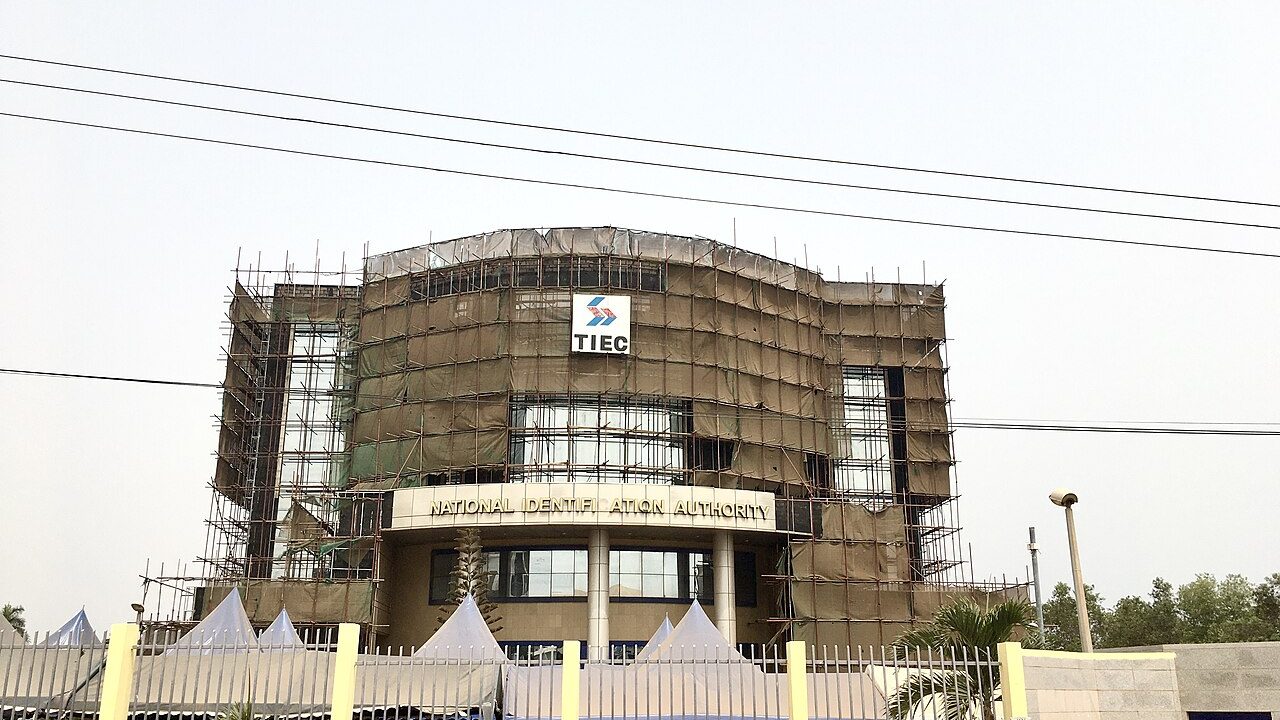
In 2019, long queues formed outside registration centres across Accra. People waited for hours, sometimes overnight, to register for the Ghana Card. A few years later, almost nothing official can be done without it.
The Ghana Card is the national identity card issued by the National Identification Authority. It carries a unique personal identification number, known as the Ghana Card PIN, linked to the holder’s biometric data, including fingerprints and a photograph.
The launch and its uses
Ghana had tried several times over the years to build a national identity system. The current card was launched in 2017 under President Nana Akufo-Addo, and mass registration began across the regions in 2019. Registration was done region by region, starting with Greater Accra. The Ghana Card PIN has become the main identifier for many services. It is used for opening bank accounts, registering SIM cards, applying for passports, paying taxes through the Ghana Revenue Authority, registering with the National Health Insurance Scheme and, increasingly, for social security and other government services.
SIM re-registration and criticism
In 2021 and 2022, the government required all mobile phone users to re-register their SIM cards using the Ghana Card. The exercise caused long queues and extended deadlines. Unregistered SIMs were eventually blocked. The government argued that linking SIMs to verified identities would reduce fraud and crime. Critics raised concerns about privacy and data protection, the cost of the contract with the private company that helped build the system, and the difficulty for some citizens, especially in rural areas and abroad, to register. Some Ghanaians abroad complained about limited registration options before centres were opened in some foreign missions.
Registration and why it matters
The Electoral Commission made the Ghana Card the main document for voter registration, a decision that was challenged in court and criticised by the opposition at the time, but upheld. Ghanaians can register at National Identification Authority offices and designated centres, bringing a birth certificate or passport. Replacement cards and updates are also handled at NIA offices.
A reliable identity system is the foundation for digital government services, financial inclusion and planning. The queues of 2019 were long and frustrating. Today, the small card in the wallet is the first thing a bank clerk, phone shop or passport officer asks to see.