On 24 February 2021, cameras gathered at Kotoka International Airport to film boxes being unloaded from a plane. Inside were 600,000 doses of the Oxford-AstraZeneca COVID-19 vaccine. With that delivery, Ghana became the first country in the world to receive vaccines through COVAX.
What COVAX was
COVAX was a global scheme to share COVID-19 vaccines fairly between rich and poor countries. It was co-led by international health organisations and aimed to make sure lower-income countries were not left at the back of the queue.
Why Ghana was first
Ghana had prepared its regulatory approvals, cold storage and distribution plans. When the first doses were ready, it was in a position to receive them. The shipment came from the Serum Institute of India, which produced the AstraZeneca vaccine under licence.
The first jabs
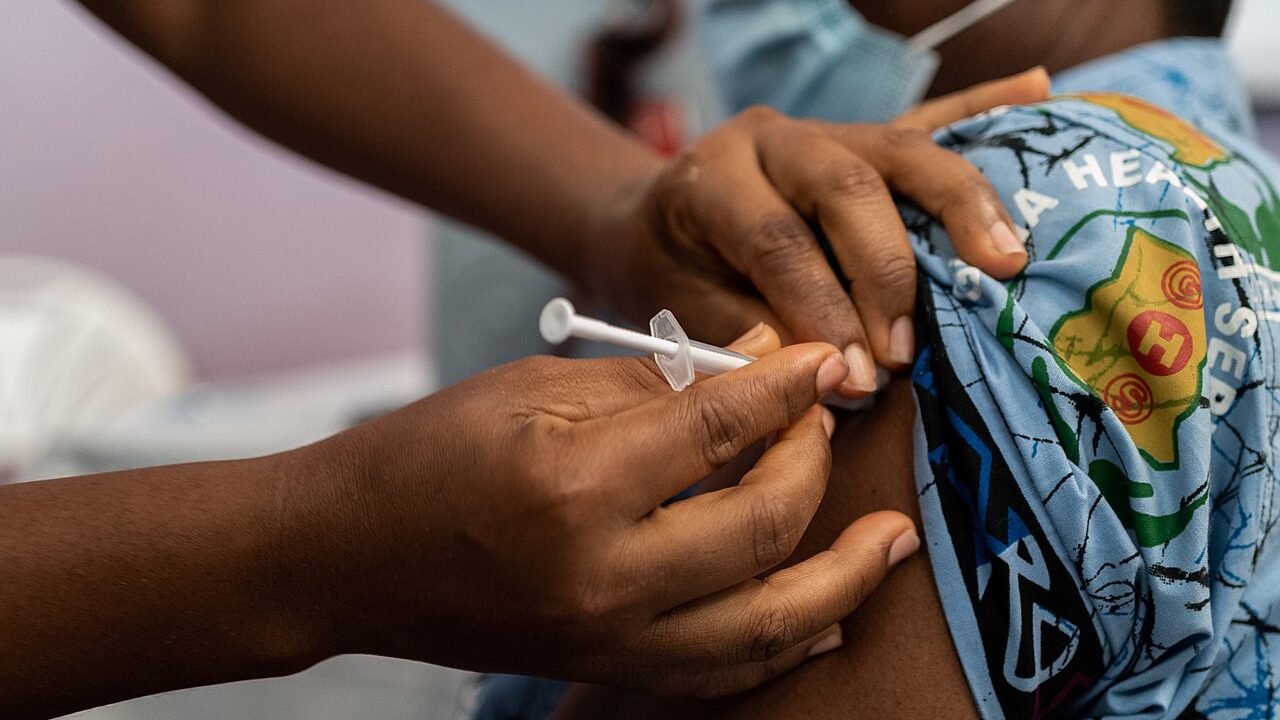
Vaccination began in early March 2021. President Nana Akufo-Addo and his wife received their first doses publicly to encourage confidence in the vaccine. Health workers, older people and those with underlying conditions were among the first priority groups.
Drones in the sky
On 2 March 2021, vaccines were distributed by Zipline drones, which had already been delivering blood and medical supplies in Ghana. The drones helped reach health facilities quickly without the delays of road transport.
Vaccine hesitancy
As in many countries, some Ghanaians were hesitant, influenced by rumours on social media. Health officials, religious leaders and celebrities joined campaigns to explain the vaccines and encourage people to get them.
Supply problems
After the first delivery, global supply problems slowed COVAX shipments. India restricted vaccine exports during its own wave of infections, and Ghana, like other African countries, had to wait for further doses from other sources.
Lessons
The pandemic exposed how dependent Africa was on vaccines made elsewhere. It revived interest in manufacturing vaccines on the continent, including in Ghana.
The wider rollout
Over the following months, more doses arrived through COVAX and bilateral deals, including other vaccine brands. Vaccination centres were set up in hospitals, clinics and public spaces, and the campaign extended from the first priority groups to the wider adult population across all regions.
The photograph
The image of vaccine boxes on the tarmac at Kotoka was shared around the world as a symbol of hope. For a few days, a small West African country was at the front of a global story, a reminder that preparation can matter as much as size.