The protest began in the shops, not the streets. In January 1948, Accra residents stopped buying imported goods from European firms, refusing cloth, tinned food and other items they considered overpriced. The boycott was organised by Nii Kwabena Bonnie III, a Ga chief and businessman. Within weeks, it had become one of the turning points of the Gold Coast’s road to independence.
Prices after the war
After the Second World War, prices of imported goods in the Gold Coast rose sharply. Many people blamed the large European trading firms, which they accused of fixing prices. Shortages and inflation hit ordinary families hard.
Nii Kwabena Bonnie III
Nii Kwabena Bonnie III , also known as Kwamla Theodore Taylor, was the Osu Alata Mantse and a businessman. He formed a committee to fight high prices and called for a boycott of European goods. Traders and chiefs across the colony supported him.
The boycott
Bonnie sent the United Africa Company and other firms an ultimatum to cut prices by 24 January 1948. When they refused, the boycott began on 26 January. Shoppers stayed away from European stores, and markets felt the effect. The campaign spread beyond Accra to other towns.
Negotiations
The colonial government and merchants negotiated with the boycott leaders. The firms agreed to cut their profit margins on imported goods from 75 to 50 per cent, and the boycott was called off at the end of February 1948.
28 February
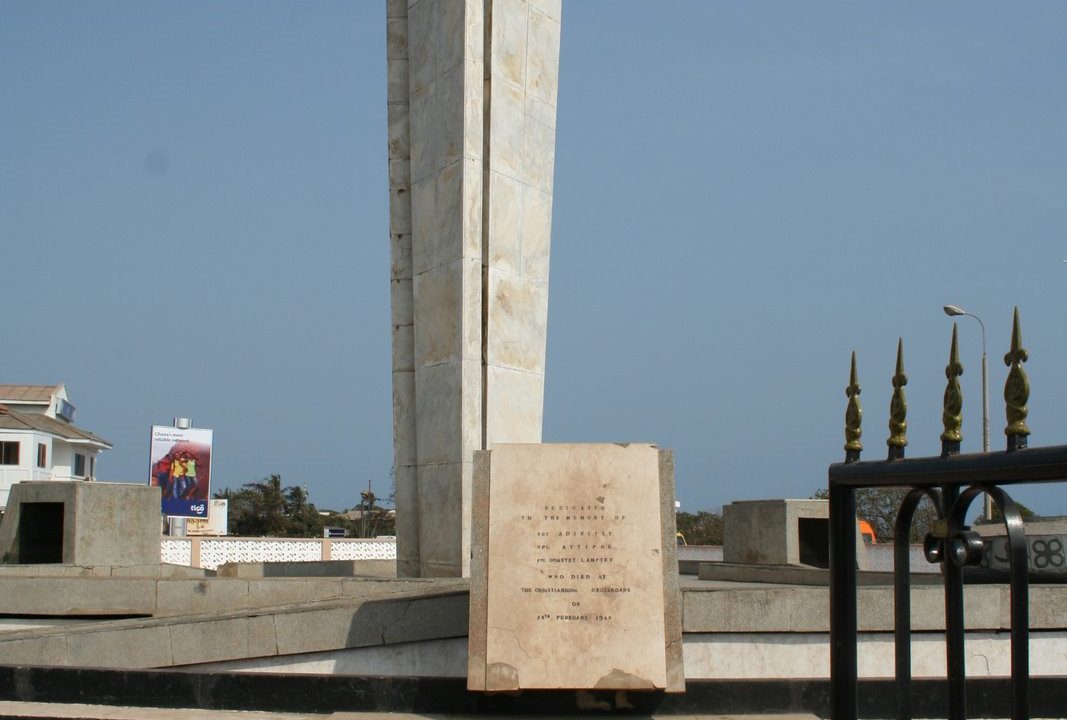
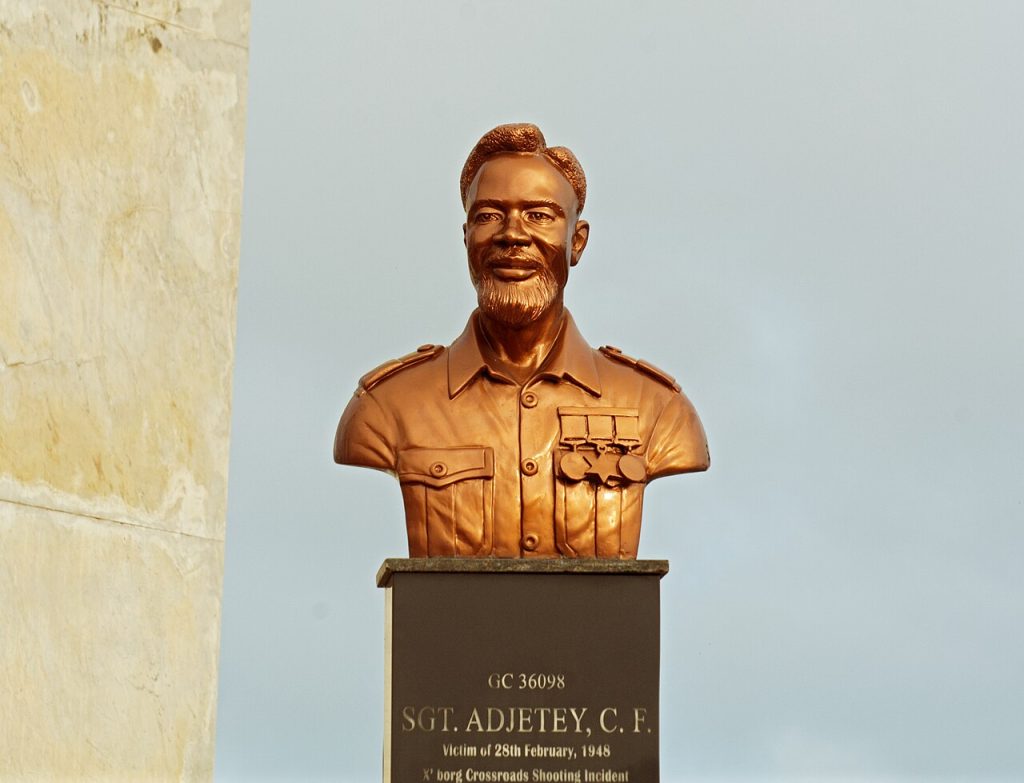
On 28 February, the day the boycott ended, a march of ex-servicemen heading to Christiansborg Castle to present a petition to the governor was stopped at the crossroads. Police opened fire, killing Sergeant Adjetey and other veterans. Riots broke out in Accra, partly fuelled by disappointment that prices had not fallen as expected.
Looting
During the riots, crowds looted European and some other shops in central Accra. Unrest spread to other towns, and dozens of people died over several days.
The Watson Commission
The colonial government arrested leaders of the United Gold Coast Convention, including Kwame Nkrumah and J.B. Danquah. A commission led by Aiken Watson investigated the disturbances and recommended constitutional reform, which led to greater African participation in government.
Remembered
The boycott is sometimes overshadowed by the shooting at the crossroads. Historians see it as a sign of the economic anger that fed the independence movement.
Lessons
The boycott showed the power of consumers acting together. It also showed how quickly economic protest could become political, especially when grievances were ignored.
Accra remembers 28 February for the shots at the crossroads. The anger that put people on the streets that day had been building in the shops for a month.