Every four years, one person reads the result that decides who governs Ghana. That person is the chair of the Electoral Commission. Since the Fourth Republic began in 1993, three people have held the job, and each has become one of the most scrutinised figures in the country.
The Commission and Afari-Gyan
The Electoral Commission was established under the 1992 Constitution and the Electoral Commission Act of 1993. It replaced the Interim National Electoral Commission, which had run the 1992 elections. The commission registers voters, demarcates constituencies, conducts presidential, parliamentary, district and referendum elections, and educates the public on voting. Kwadwo Afari-Gyan, a political scientist, chaired the commission from 1993 until 2015. He oversaw the elections of 1996, 2000, 2004, 2008 and 2012, including the 2000 transfer of power from the NDC to the NPP and the close 2008 election.
The 2012 petition and two new chairs
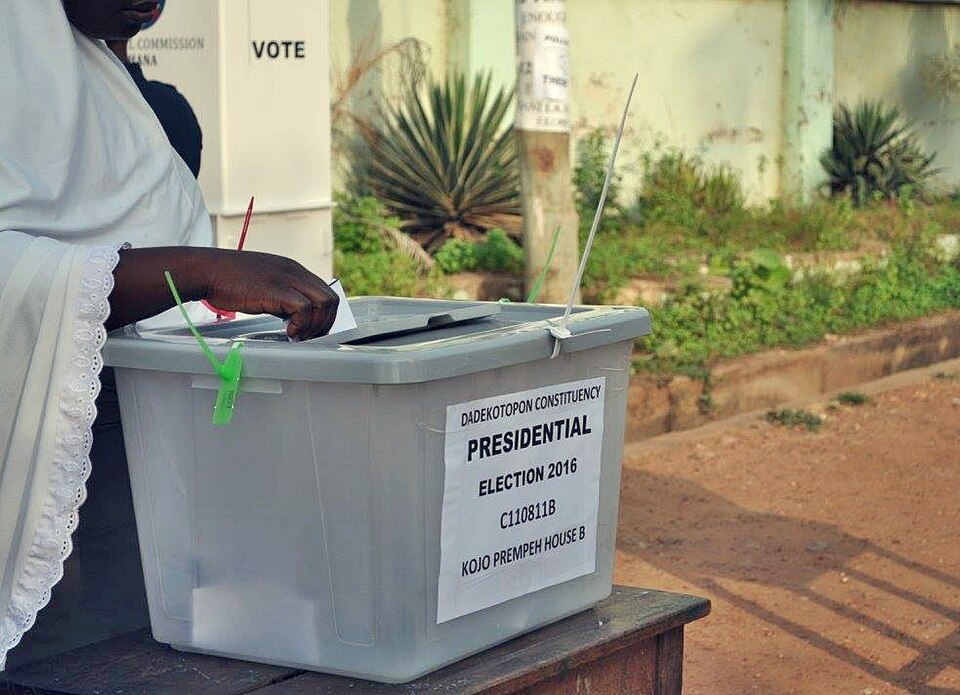
After the 2012 election, the NPP challenged the results in the Supreme Court. The case was televised for months. In 2013 the court upheld John Mahama’s victory, but its judgment led to electoral reforms. Charlotte Osei became chair in 2015 and ran the 2016 election, won by Nana Akufo-Addo. In 2018, after complaints from staff and a petition process, she was removed from office.
Jean Mensa, formerly head of the Institute of Economic Affairs, became chair in 2018. She oversaw the compilation of a new voter register in 2020 and the 2020 and 2024 elections.
Disputes, technology and trust
The 2020 election result was challenged by John Mahama in the Supreme Court, which dismissed the petition in 2021. Before the 2024 election, the opposition raised concerns about the register, and protests were held. In December 2024, the commission declared John Mahama winner of the presidential election, and the outgoing government’s candidate conceded quickly. Ghana uses biometric voter registration and verification devices, introduced in 2012, to reduce fraud.
Ghana is often praised for peaceful transfers of power. That reputation depends heavily on whether citizens trust the commission.
Results collation
Results are counted at each polling station in front of party agents, then collated at constituency and regional centres before the national declaration. Party agents sign result sheets, and copies are posted publicly, a safeguard that allows parties to check figures independently. The commission’s chair reads the result once every four years. The work of earning trust in that moment takes all the years in between.