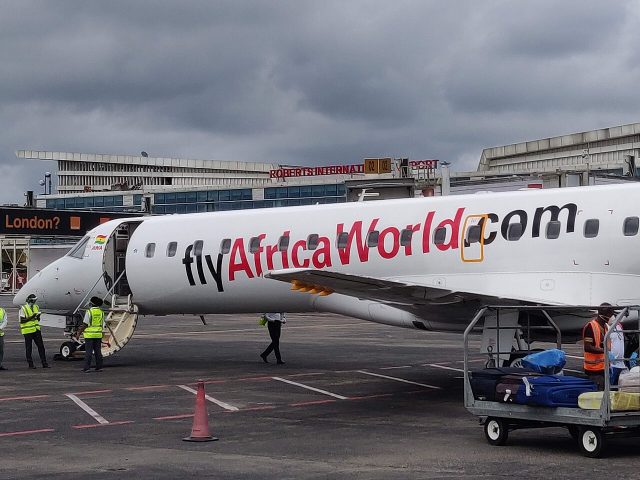
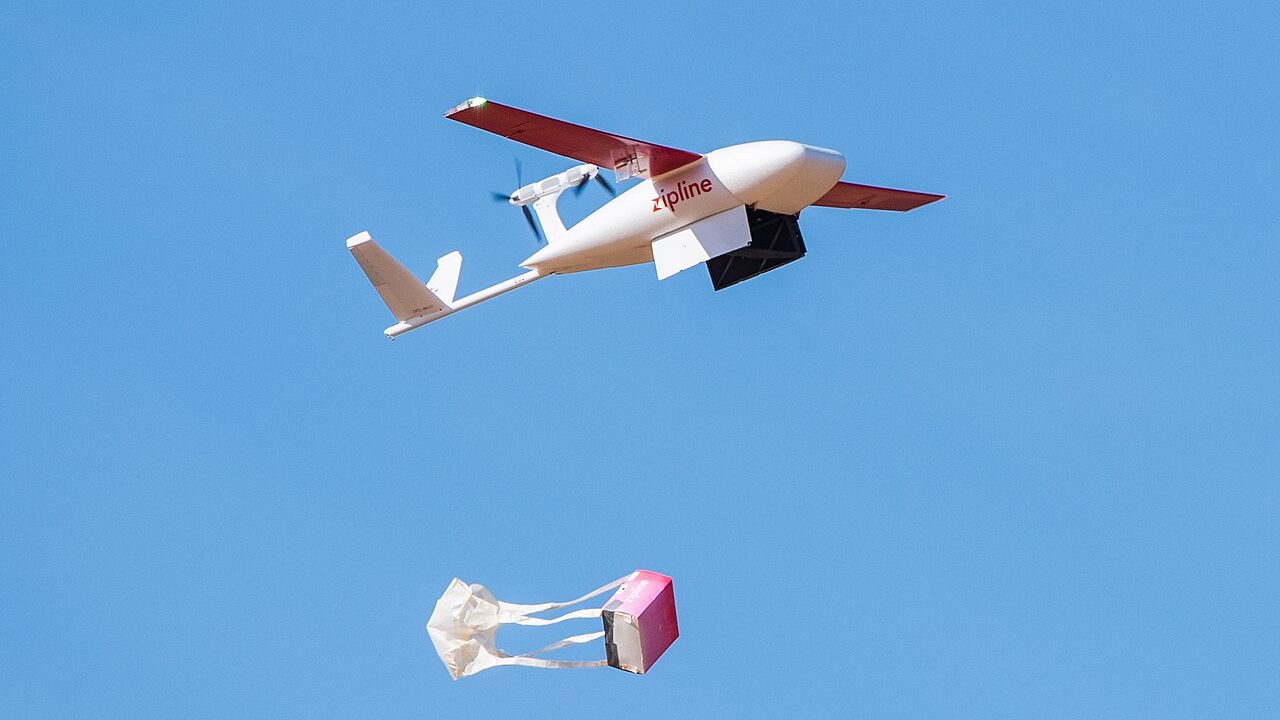
The small drone is launched from a catapult, flies across farms and forests and drops a package by parachute over a rural clinic. Inside is blood, a vaccine or an urgent medicine. Minutes later, a nurse collects it. Since 2019, Zipline drones have been making deliveries like this across Ghana, part of an effort to get medical supplies to places that roads reach slowly.
The launch and how it works
Ghana launched the service in April 2019, with the first distribution centre at Omenako in the Eastern Region. The government described it as one of the largest medical drone delivery networks in the world at the time. Health workers place orders by phone or message. Staff at the distribution centre pack the supplies and launch a drone, which flies to the facility and drops the package by parachute.
The drones carry blood products, vaccines, medicines and medical supplies.
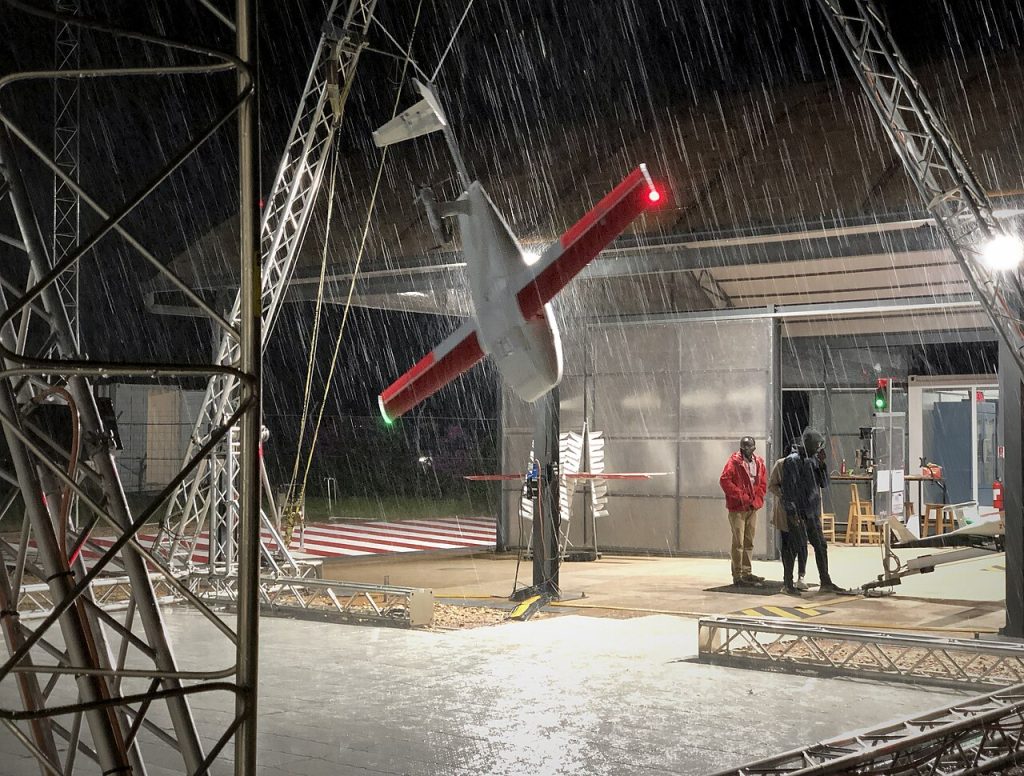
Zipline set up several centres across Ghana to cover large parts of the country.
COVID-19, cost and contract questions
During the pandemic, the drones helped deliver vaccines and testing samples. Supporters say the service saves lives by delivering urgent supplies quickly, especially for mothers who need blood after childbirth. Critics questioned the cost of the contract and whether the money could be better spent on ambulances, roads or health workers. Zipline, an American company, began operating in Rwanda in 2016 before expanding to Ghana and other countries.
The centres employ Ghanaian engineers, pharmacists and operators. Later discussions about renewing or changing the contract raised questions about the service’s future and payment arrears. The service is part of wider efforts to use technology to improve healthcare access in Ghana.
Lessons and a mother's story
Health system researchers argue that drones can complement, but not replace, investment in roads and staff. Health workers often describe cases where women bleeding after childbirth received blood within an hour because of a drone delivery, when a road trip to the regional blood bank would have taken far longer. Stories like these are the strongest argument supporters make for the service.
A parachute dropping from the sky over a rural clinic once sounded like science fiction. In Ghana, for many nurses waiting on blood, it has simply become part of the job.