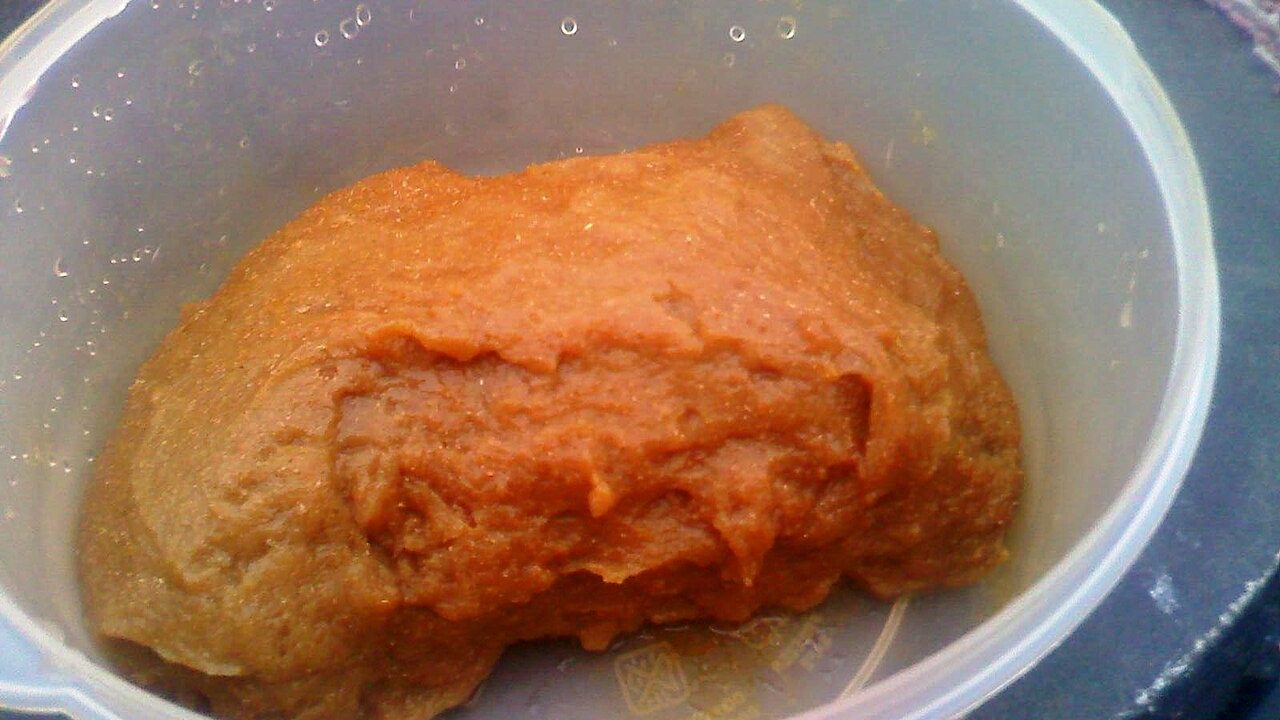
It is brown, sometimes almost grey, and it has a nickname that makes people laugh: “face the wall”. The joke says people turn to the wall to eat kokonte so no one sees them eating such humble food. Yet many Ghanaians love it. Made from dried cassava flour and served with groundnut or palm nut soup, kokonte is filling, tasty and deeply rooted in the country’s farming traditions.
What kokonte is and why it is dark
Kokonte is made from cassava that is peeled, cut, sun-dried and ground into flour. The flour is stirred into boiling water until it forms a smooth, firm dough. In parts of Ghana, kokonte is also known by other names, including abetee among Ga speakers. Drying the cassava in the sun gives the flour its darker colour, which deepens during cooking.
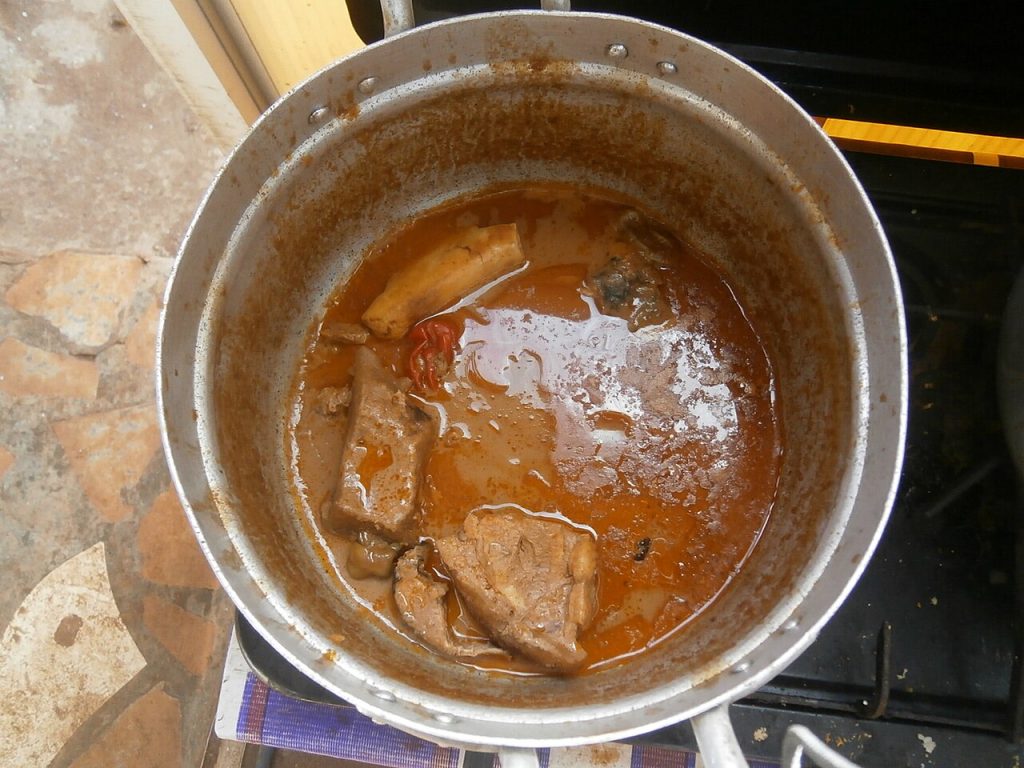
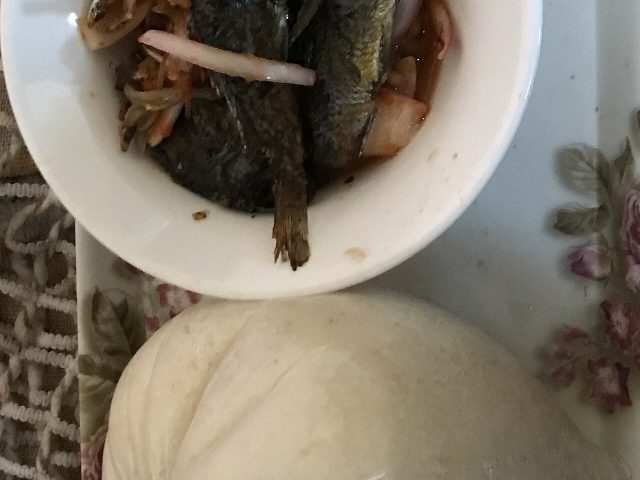
Kokonte is most often eaten with groundnut soup, its partner in many homes. The rich, nutty soup complements the earthy taste of the dough.
Soups, nickname and nutrition
Some prefer kokonte with palm nut soup or light soup with fish or meat. Drying cassava allowed families to store it for months, making kokonte an important food when fresh produce was scarce. “Face the wall” is a teasing name, but many people now use it with affection. Kokonte provides energy and fibre, though it is low in protein, so the soup and fish or meat matter.
Chop bars in Accra and across Ghana serve kokonte, especially at lunchtime. Cooks stir the flour vigorously to avoid lumps, adding water gradually until the texture is right.
Abroad, a changing image and leftovers
Kokonte flour is sold in African shops abroad, where Ghanaians cook it as a taste of home. Food writers and chefs have helped change kokonte’s image from poor man’s food to a valued traditional dish. Kokonte flour is sold in markets across Ghana, often by women who dry and grind the cassava themselves. Good flour is fine and even in colour, without grit or a sour smell.
Leftover kokonte can be reheated with a little water. Ghanaians still joke about facing the wall to eat kokonte. Plenty of them are quite happy to face the table instead, with a bowl of groundnut soup beside it.