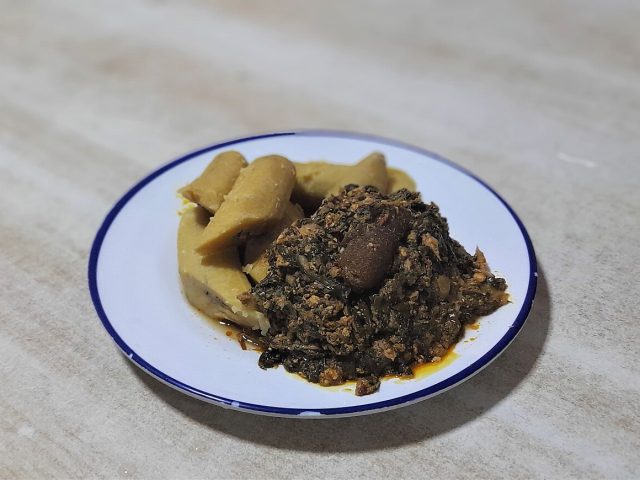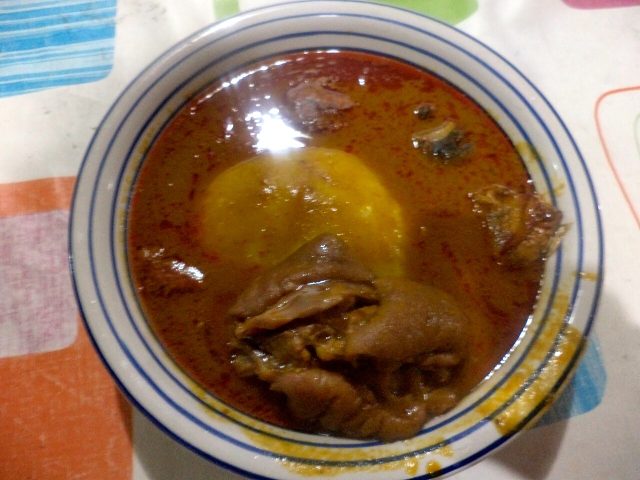
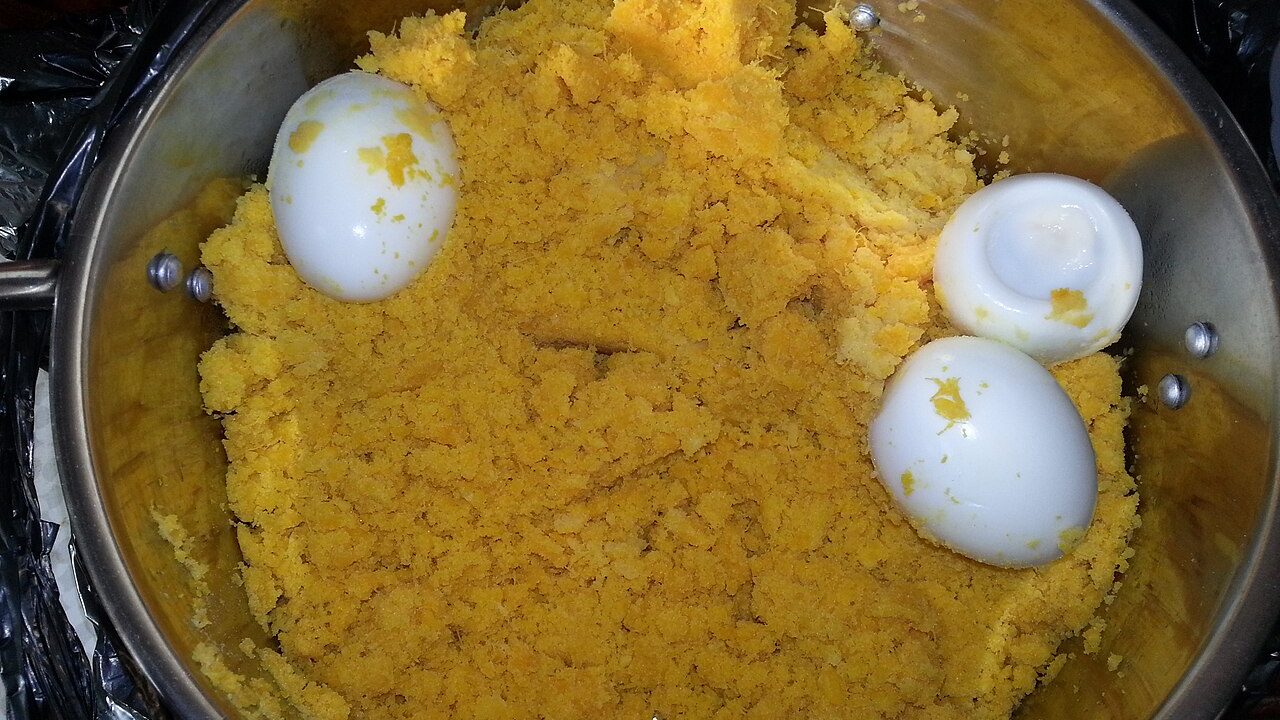
On a birthday morning in many Ghanaian homes, before the cake and the party, there is eto. A bowl of yam mashed with red palm oil and onions arrives, topped with boiled eggs and sometimes roasted groundnuts and slices of avocado. For many Akan families, eto is more than breakfast. It is a dish that marks blessings and new beginnings, cooked for birthdays, festivals, weddings and the safe return of a traveller.
What eto is and how it is served
Eto, also known as oto, is made from boiled yam or plantain mashed together with palm oil. Onions, salt and pepper are usually added. The colour comes from the red palm oil, which gives the dish its rich, slightly nutty flavour. Yam eto is common, but plantain eto, made from ripe or unripe plantain, is popular too. Some families prefer one, and some make both for big occasions.
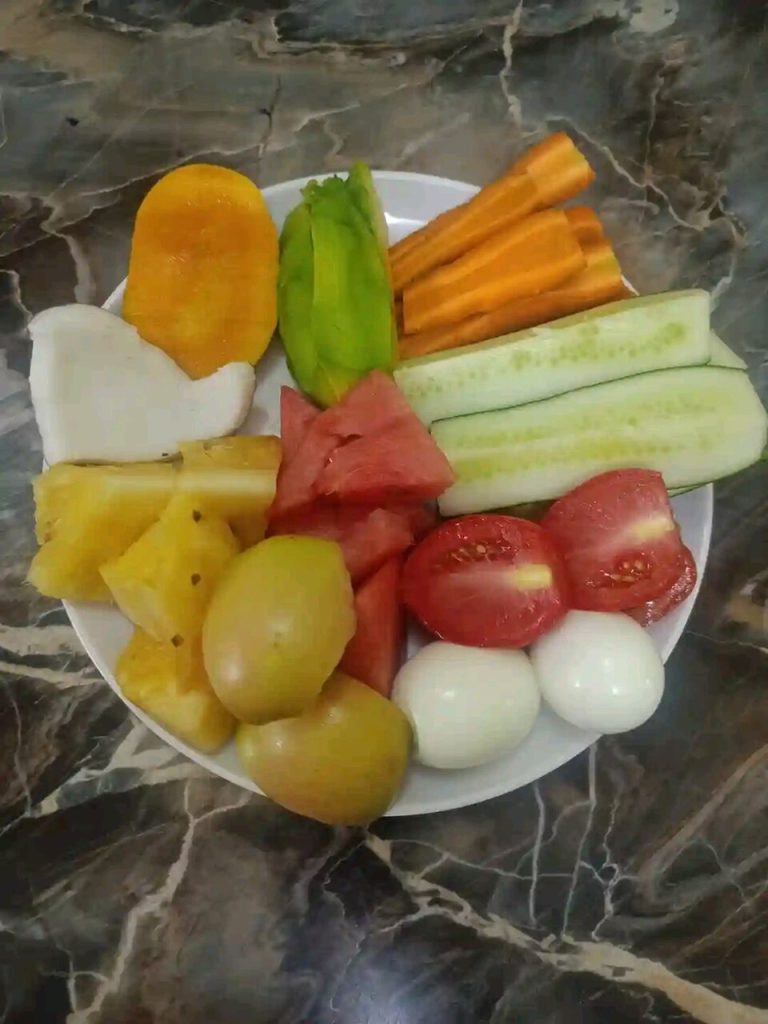
Eto is often served with whole boiled eggs, which are seen as a symbol of life and fertility. Roasted groundnuts and avocado are common sides.
Celebrations, festivals and preparation
In Akan tradition, eto is prepared for important life events. Women may be given eto after childbirth, and it is served at naming ceremonies and puberty rites. It is also cooked for birthdays and anniversaries. During some traditional festivals, eto is offered to ancestors and deities and shared among family members as part of the celebrations.
Families sometimes cook eto to give thanks after recovering from illness, passing an exam or surviving an accident. The yam is peeled, boiled until soft and mashed in an earthenware bowl called an apotoyewa. Palm oil and chopped onions are mixed in until smooth.
Variations, modern Accra and the bowl
Some cooks add fried onions in palm oil for extra flavour. Others keep it simple with raw onions and salt. Eto is now sold by some food vendors and restaurants, though many people still see it as a dish best made at home. The earthenware bowl and wooden pestle used to mash eto are found in many Ghanaian kitchens. The rough inside of the bowl helps break down the yam quickly.
A plate of eto on a Ghanaian birthday table needs no candle. The eggs on top already say that the family is giving thanks for another year.