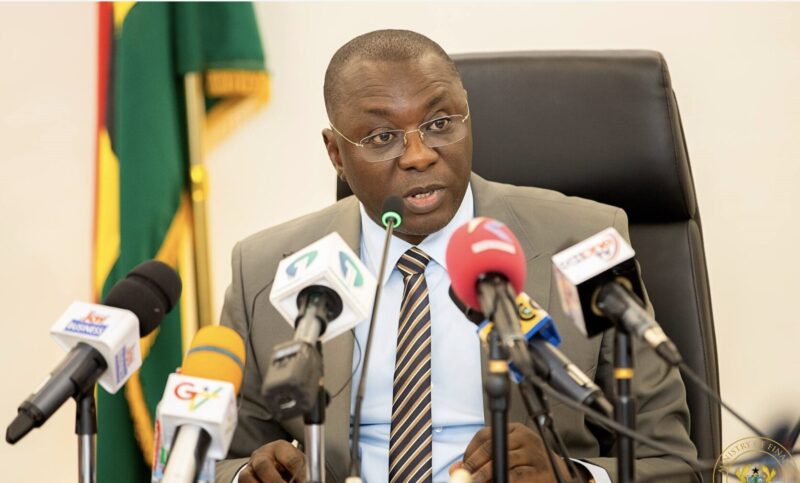
Diesel prices in Ghana remain stubbornly high, with costs at the pump ranging from GH¢17.55 to GH¢18.99 despite the government’s recent GH¢2 per litre subsidy. Dr Mohammed Amin Adam, former Finance Minister and Ranking Member on Parliament’s Finance Committee, says the relief has not done enough to ease the burden on consumers.
In a Facebook post on September 27, Dr Amin Adam explained that the temporary price cut was partly canceled out by a GH¢1 per litre levy the government introduced on fuel. He also pointed to recent increases in levies on fuel oil, which have driven up costs for industries and power producers.
“Even with this temporary relief, half of the amount has already been neutralized by the GH¢1 per liter levy imposed by the government on fuel,” he wrote.
The former minister stressed that the depreciation of the cedi is another factor pushing prices higher. The local currency has lost 12% of its value year-to-date, making imported petroleum products more expensive. Ghana buys its fuel on the international market, so changes in global prices and exchange rates directly affect what consumers pay.
Dr Amin Adam said the government needs to act beyond just temporary fixes. “What we need now is a comprehensive intervention by the government. The temporary relief is not enough,” he said.
He urged a review of all petroleum taxes and levies, especially those recently increased, and suggested the government consider suspending or abolishing some of them to provide more meaningful relief. He cited the previous New Patriotic Party (NPP) administration’s use of similar tax measures as a reference point.
The government’s GH¢2 intervention was announced as a way to soften the impact of rising global fuel prices. But even with that, diesel remains above GH¢18 per litre in many places, a level that frustrates consumers and businesses alike.
The extra GH¢1 levy on fuel was introduced as part of efforts to raise revenue and support government spending. But Dr Amin Adam argues this move has undermined the subsidy’s effect.
Increased levies on fuel oil, used mainly by industries and power producers, have also contributed to the rising fuel costs. This can have ripple effects across the economy since higher production costs often lead to increased prices for goods and services.
The cedi’s weakening against the dollar adds to the pressure. Since fuel imports are priced in dollars, a weaker cedi means Ghanaians must pay more cedis for the same amount of fuel.
Dr Amin Adam’s call for a full review of petroleum taxes comes as many Ghanaians feel the pinch at the pumps and in their daily expenses. Without such measures, the temporary relief risks being a short-lived reprieve rather than a lasting solution.
The government has yet to announce plans to adjust the levy or introduce broader changes to the taxation of petroleum products. The debate over fuel prices and taxes is likely to continue as both consumers and officials weigh how to balance relief with fiscal needs.
According to Joy Online.