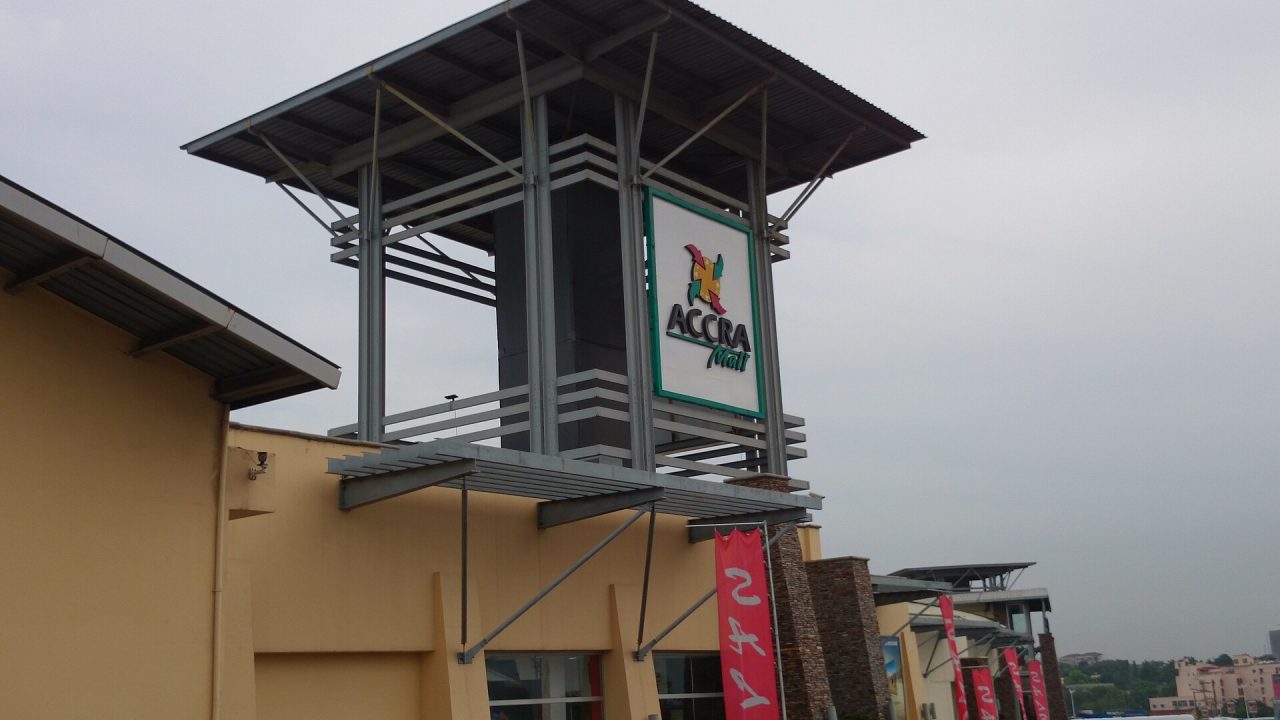
On 4 July 2008, Ghana got its first fully enclosed shopping mall. It was air-conditioned, it had a supermarket the size of a football pitch, and it had a cinema.
Accra Mall, beside the Tetteh Quarshie Interchange on the Tema Motorway, cost about 36 million dollars. It was developed by the Ghanaian businessman Joseph Owusu-Akyaw together with Actis, a British investment firm, and it became one of the most modern shopping centres in West Africa at the time.
What was new
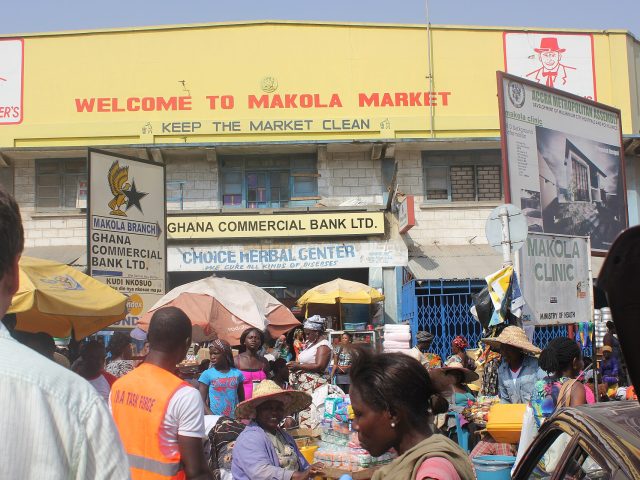
Before the mall, most shopping in Accra happened in open markets such as Makola, on Oxford Street in Osu, in small supermarkets or from roadside traders. Accra Mall brought a different model: international chains under one roof, fixed prices, parking, security and air conditioning.
South African retailers led the way. Shoprite and Game opened large stores there, and fashion and electronics brands followed. The mall also brought a multiplex cinema at a time when Accra had few modern screens.
A place to be seen
The mall quickly became more than a shopping centre. Young people went there to hang out, families went on weekends, and it became a common meeting point. It was also a symbol of a growing middle class and of Accra’s changing image in the late 2000s.
The malls that followed
Accra Mall’s success set off a wave of development. West Hills Mall, Achimota Retail Centre, Junction Mall and the Accra Marina Mall followed in the Accra area, and malls opened in Kumasi and other cities. Retail parks and supermarket chains spread further across Ghana.
The wave also raised questions. Critics asked whether the malls served mainly the wealthy and pushed prices higher, and some foreign retailers later scaled back as Ghana’s economy struggled and the cedi fell. Market traders, meanwhile, continued to supply most of what Ghanaians actually buy every day.
Still busy
Accra Mall remains one of the busiest in the city, at one of its busiest junctions. For many Ghanaians, it was the first place they rode an escalator, saw a film in a modern cinema or bought groceries in a supermarket with dozens of checkout lanes.
The developers
Joseph Owusu-Akyaw, the Ghanaian businessman behind the project, spent years securing the land and financing. The involvement of Actis, a private equity firm with roots in the British development finance system, helped convince international retailers that Ghana was ready for a modern mall. The success of the model encouraged Actis and other investors to back similar developments in other African cities, and Accra Mall became a reference case for retail property investment on the continent.
Across the road, traders still sell water and phone credit to cars stopped in the Tetteh Quarshie traffic. The mall changed how part of Accra shops; the roadside kept its customers too.