A fire in a neighbour’s kitchen, a road accident on the motorway, a sudden collapse at home: emergencies happen without warning. In those moments, many people waste valuable minutes searching for a number. Saving the right numbers now can make the difference.
The main numbers
Ghana’s key emergency numbers are 112 for general emergencies, 191 for the police, 192 for the Ghana National Fire Service and 193 for the National Ambulance Service. Save them on every phone in your household.
112
112 is a general emergency number that can direct your call to the right service. It is useful if you are unsure which service you need.
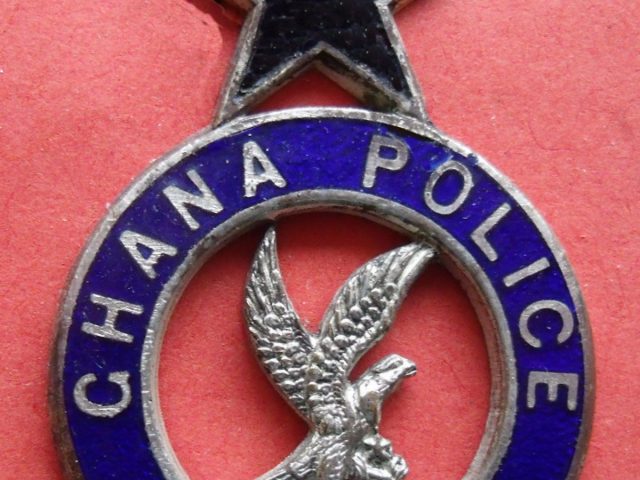
Police: 191
Call the police for crimes in progress, serious accidents, threats to safety or suspicious activity. The police also have other hotlines for specific issues, which change from time to time.
Fire: 192
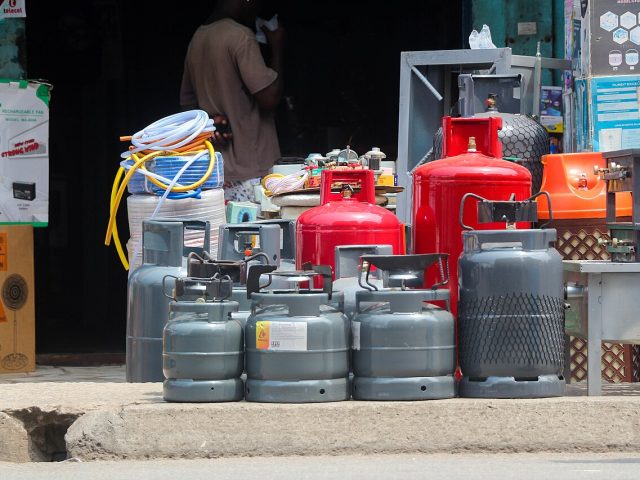
Call the fire service for fires, gas leaks, building collapses and rescue situations such as people trapped in vehicles or floods.
Ambulance: 193
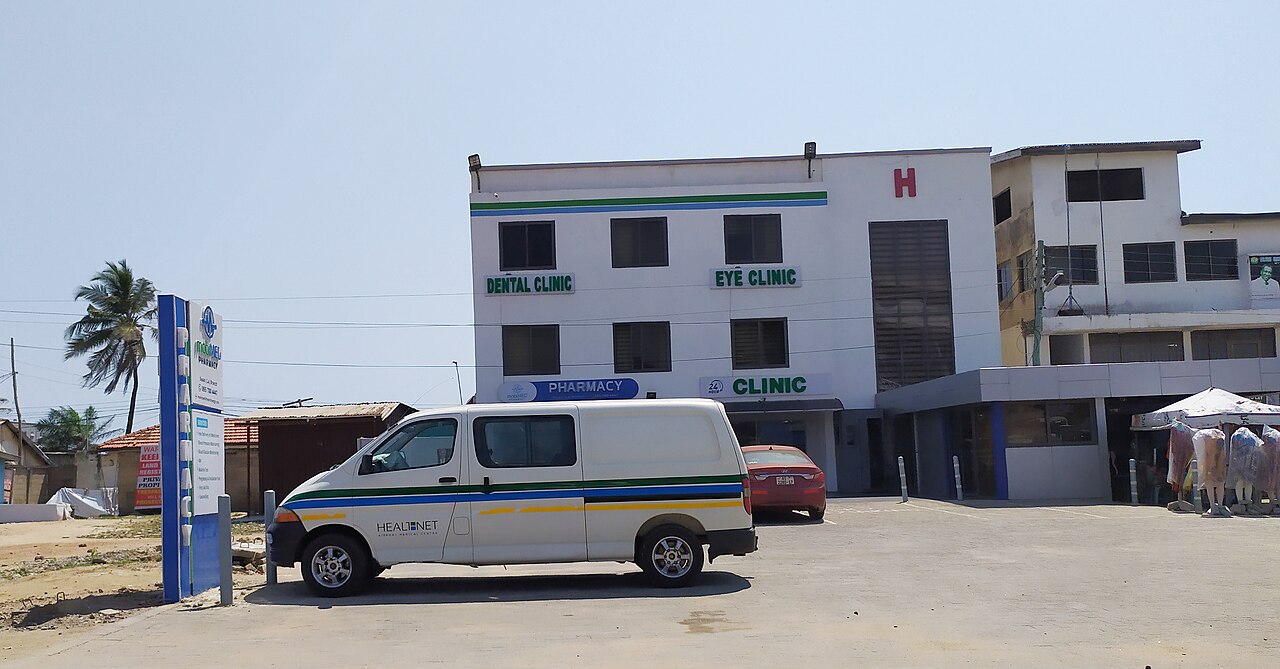
Call the National Ambulance Service for medical emergencies: severe injuries, unconsciousness, breathing difficulties, chest pain or complications in pregnancy.
What to say
Stay calm and give clear information: what happened, the exact location with landmarks or your GhanaPostGPS address, how many people are affected and a phone number to call you back. Do not hang up until the operator says so.
Know your address
Many Accra addresses are hard to describe. Learn your digital address and nearby landmarks, and teach them to children and domestic staff.
While you wait
Keep the scene safe, move away from danger if possible and follow the operator’s advice. Do not move injured people unless they are in immediate danger.
Private services
Some hospitals and private companies run their own ambulance and security services. Save their numbers too if you use them.
Check that numbers still work
Emergency numbers and hotlines can change. Check official sources occasionally and update your saved contacts.
First aid
Basic first aid training, available from organisations such as the Red Cross, helps you act in the minutes before help arrives.
Teach the children
Children should know how to call for help, what to say and their home address. Practise with them in a calm moment, and put the numbers on the fridge or near the door.
Five minutes today
It takes five minutes to save these numbers and teach your family what to do. In an emergency, those five minutes of preparation may be the most valuable you ever spent.